English
 Bahasa
 Hindi
Hindi
 Arabic
 Spanish



Preparing to enter the market? Use our new grease product launch checklist to coordinate specifications, testing, packaging, supply and distribution before commercial production.
For many years, a common model in Vietnam’s lubricating grease market has been businesses acting as distributors for major international grease brands.
In the early stages, this approach works well. Companies can enter the market quickly without investing in manufacturing. The products, technical standards, and brand reputation are already established by the manufacturer.
However, as the business grows, many companies begin to notice a key limitation: their strategy depends heavily on the brand they represent.
Pricing, product portfolio, distribution territory, and even dealership rights can change based on the brand owner’s decisions. In that context, more and more businesses are exploring the idea of building their own lubricating grease brand.
One of the most common ways to do this is through OEM grease manufacturing. Let’s explore this together with oemgrease.com.
What is OEM grease?
OEM stands for Original Equipment Manufacturer. It refers to a model where products are manufactured according to the requirements of another brand.
In the lubricants industry, OEM grease is a collaboration model in which:
- The business develops the brand and market
- The grease manufacturer handles R&D, production, and quality control
Once completed, the product is packaged under the client’s brand, not the manufacturer’s.
This model allows businesses to develop their own branded grease products without having to invest in a production facility.
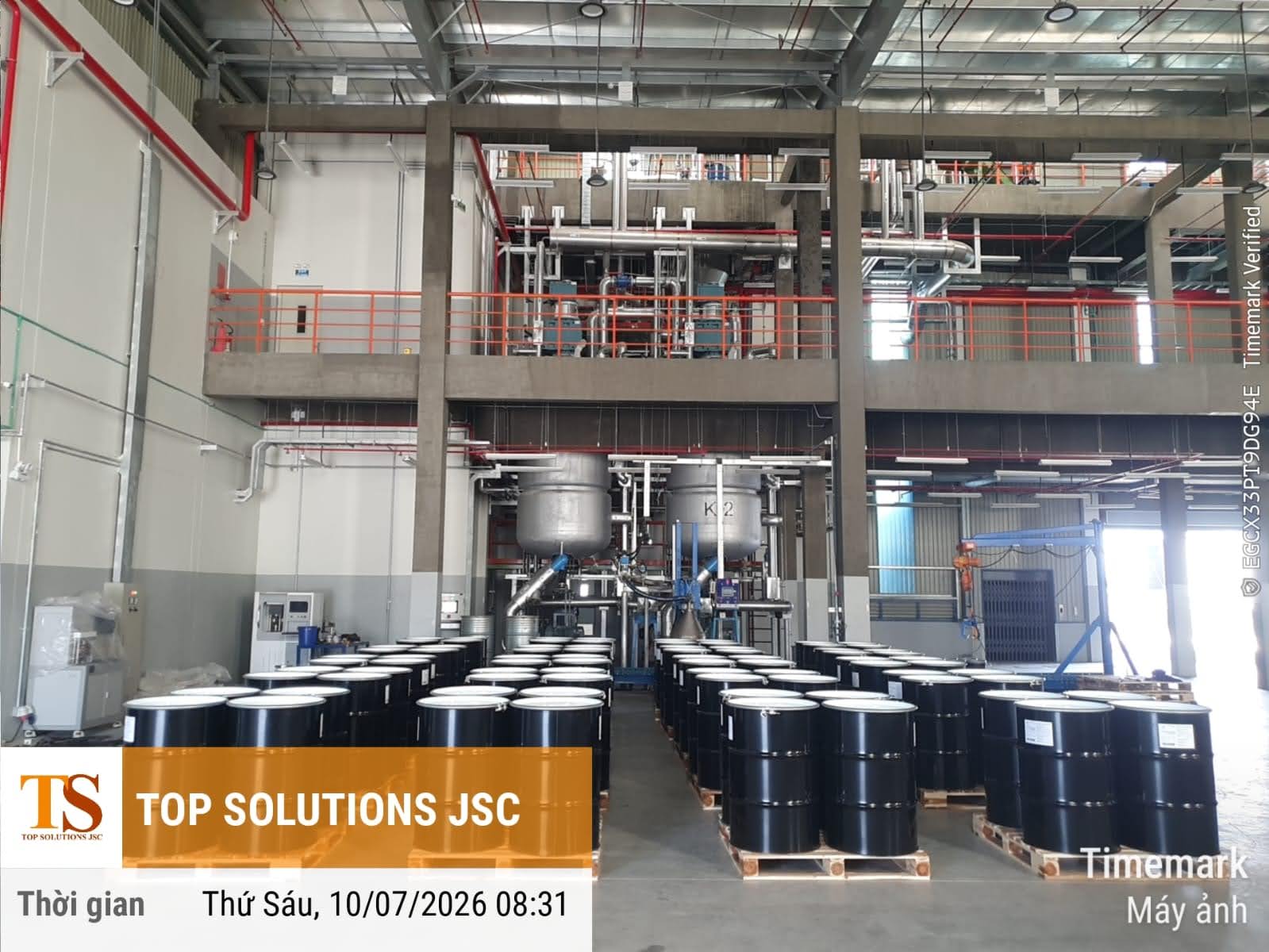
Industrial grease production line
Why are businesses interested in building their own grease brand?
In practice, the decision to develop a private label grease brand often comes from very specific business needs.
1. Greater control over business strategy
When operating as a distributor for a major brand, businesses often face limitations such as:
- Pricing depends on the supplier’s policy
- Profit margins are affected by competition among distributors
- Limited flexibility to adapt products for different customer segments
With a private label grease brand, companies can:
- Set pricing based on their own market strategy
- Choose target customer segments
- Build a product portfolio aligned with real application needs
This shift allows businesses to take control of long-term strategy instead of relying entirely on suppliers.
2. Reducing dependency on external brands
In the market, there have been many cases where:
- Distribution rights are changed or revoked
- Brands adjust their global or regional strategies
- Certain product lines are discontinued or replaced
If a business depends entirely on one brand, these changes can create significant risks.
Developing a private label helps businesses retain their customer base and maintain market stability.
3. Building long-term brand value
As competition increases, many companies no longer want to remain just intermediaries.
A private label grease brand allows businesses to:
- Position themselves as experts who understand both products and applications
- Build technical credibility in the industry
- Gradually create their own brand assets
This is becoming a clear trend among lubricant distributors.
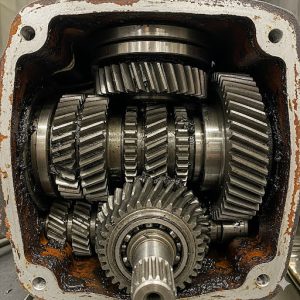
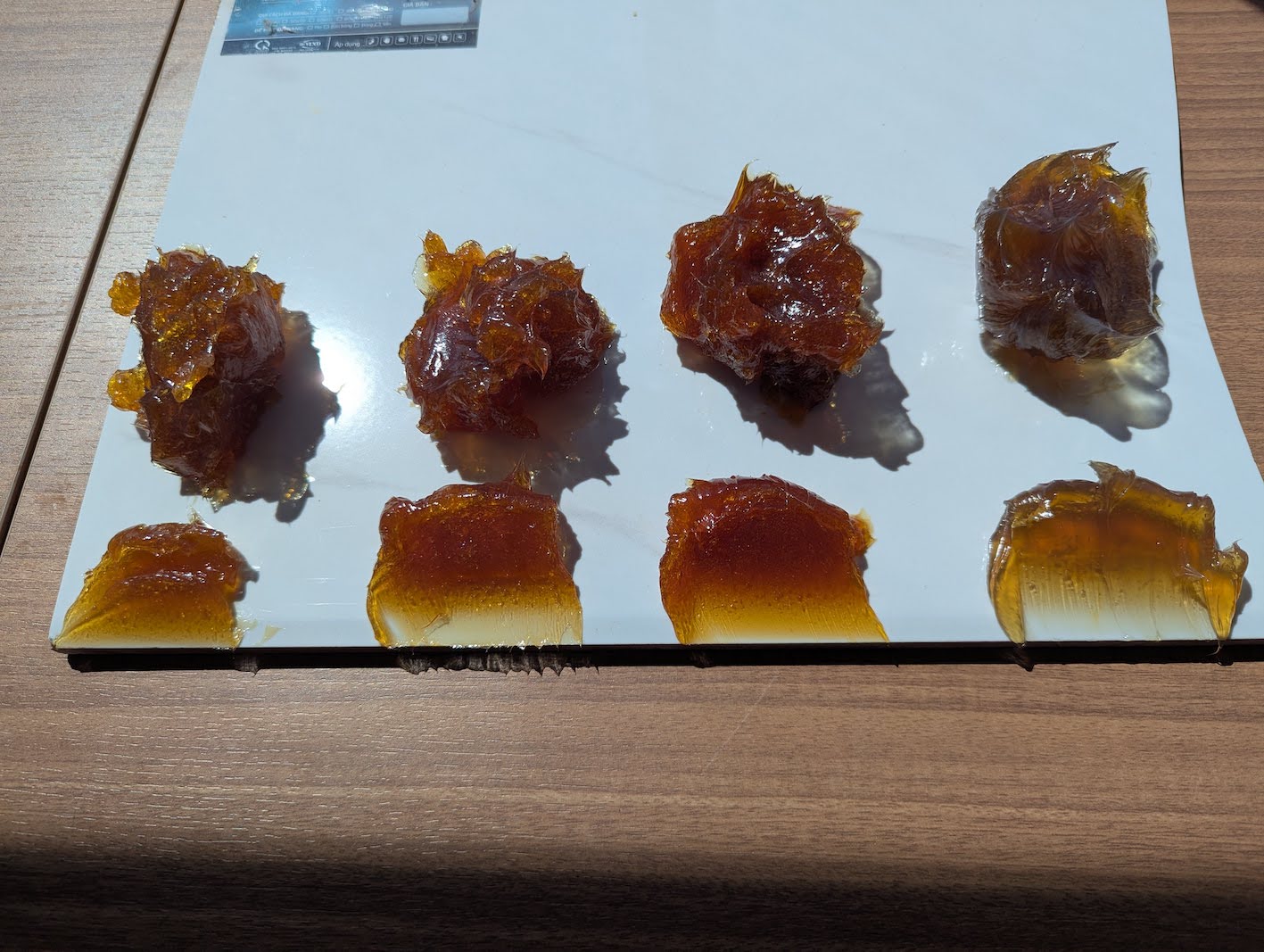
Grease application in industrial production
How does the OEM grease process work?
Although each manufacturer may have its own approach, the OEM grease process typically includes several key steps.
Defining product requirements
The business and manufacturer discuss:
- The type of grease to be developed
- Target applications
- Required technical standards
Formula development and testing
The manufacturer develops or adjusts the formulation and conducts testing in the quality control lab to ensure it meets technical requirements.
Production and packaging
Once the formula is approved, the product is manufactured at scale and packaged under the client’s brand.
Key factors when choosing an OEM grease manufacturer
For businesses looking to build their own grease brand, selecting the right manufacturing partner is critical.
Production capability
The manufacturer should have stable production lines and the ability to produce a range of grease types for different applications.
Quality control system
A strong QC system, including raw material inspection, laboratory testing, and batch consistency control, is essential to ensure product reliability.
Flexibility in product development
The ability to adjust formulations, packaging formats, and provide technical support helps businesses adapt to changing market demands.

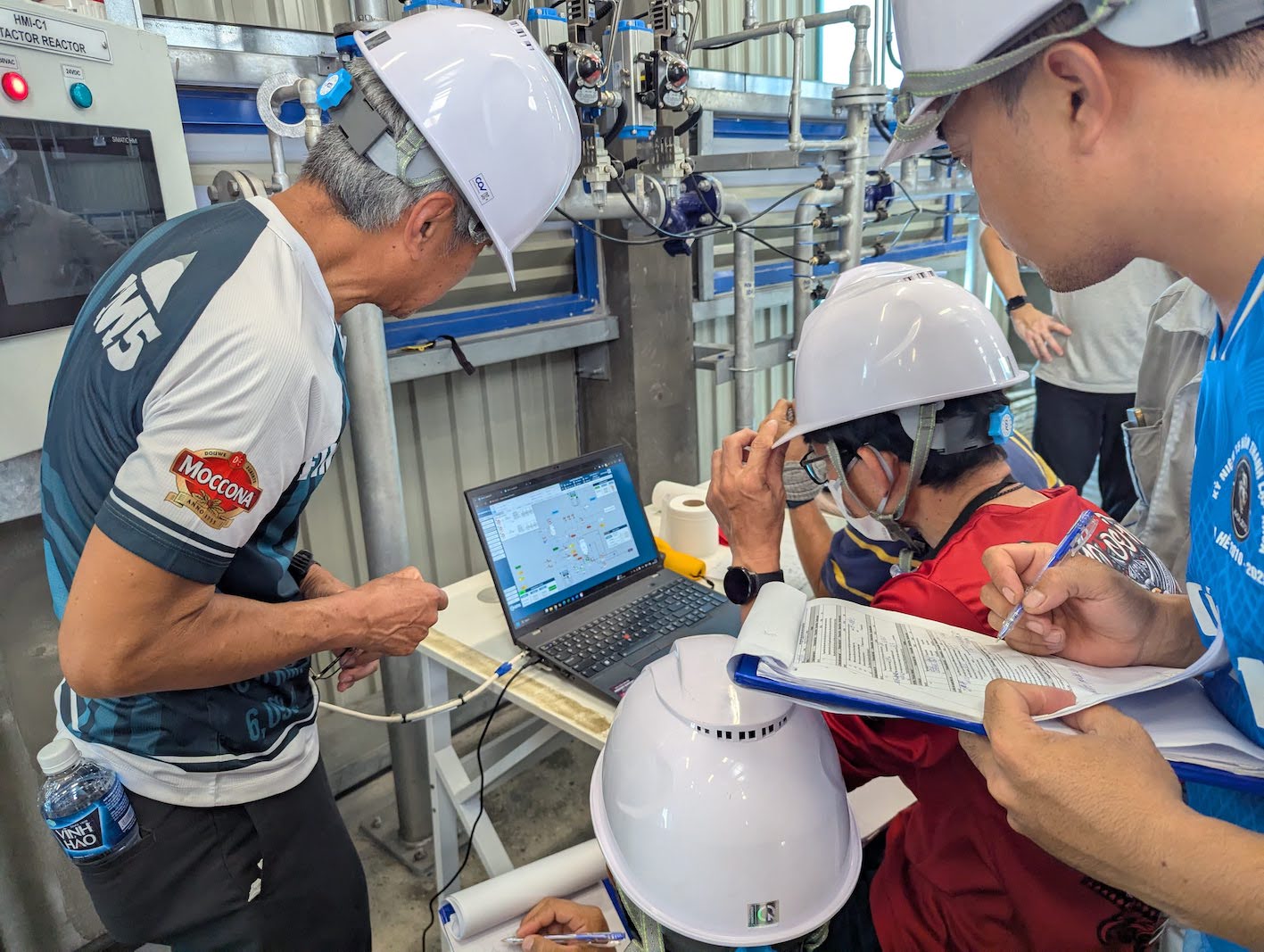
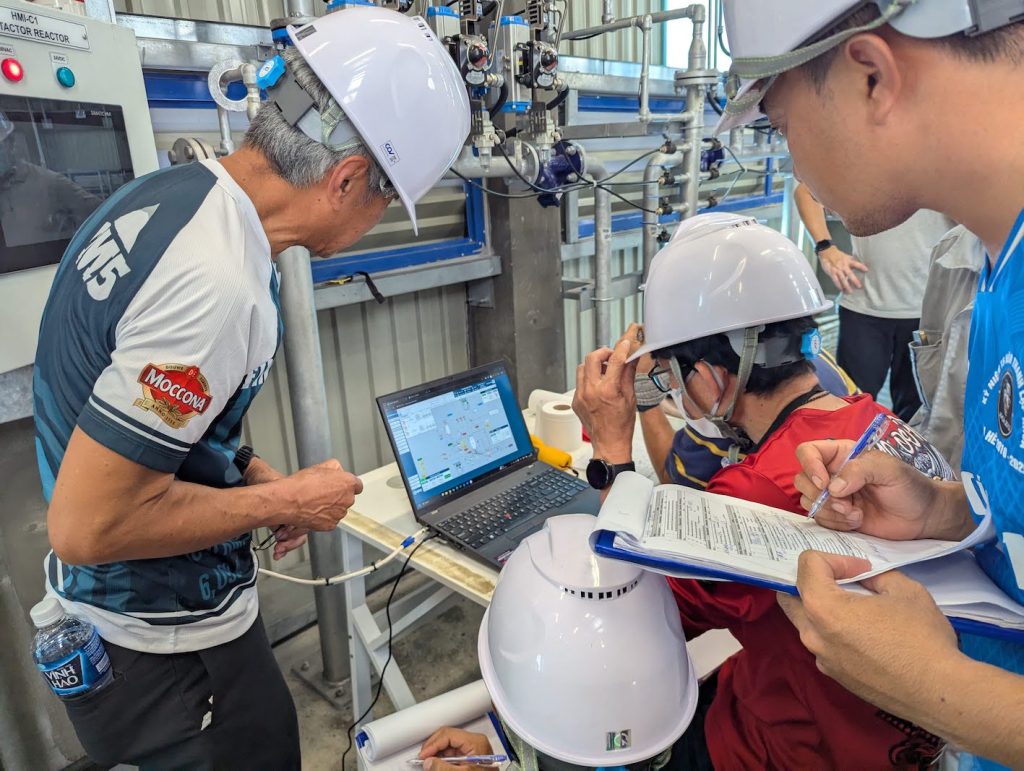
Grease quality testing in laboratory
Perspective from oemgrease.com
The lubricating grease market is creating favorable conditions for the development of local brands. Domestic manufacturers are increasingly investing in production technology and quality control systems.
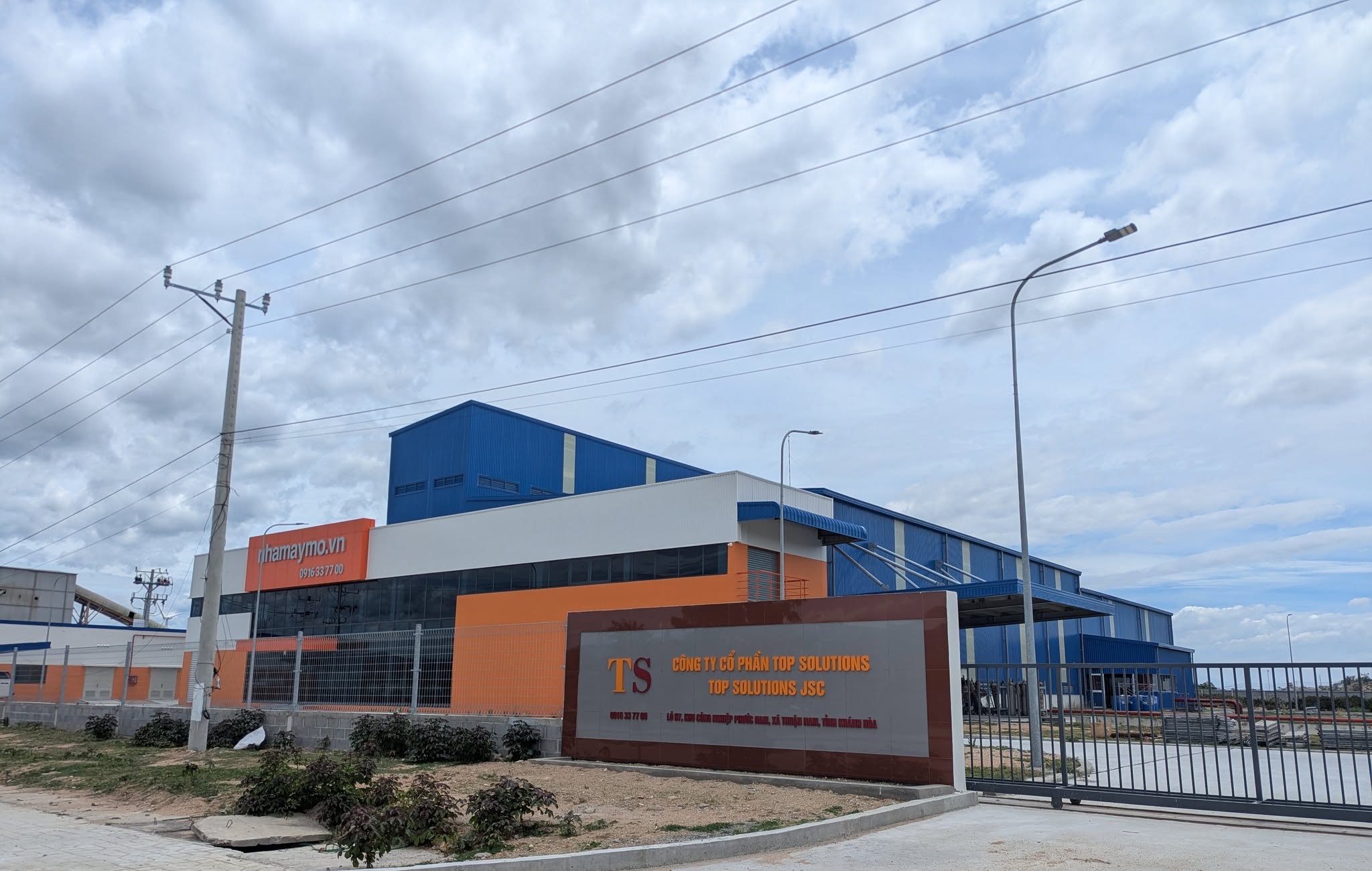
At oemgrease.com, grease manufacturing is developed to serve a wide range of industrial applications. In addition to standard products, the production system and quality control laboratory also support OEM grease projects for businesses looking to build their own brands.
With a combination of manufacturing capability and industry experience, OEM projects can be implemented in a way that aligns with market needs and each company’s development strategy.
Still deciding on the right route to market? Compare the practical trade-offs between becoming a grease distributor and building a private-label grease brand.
Conclusion
OEM grease is a practical solution for businesses in the lubricants industry to build their own brand without investing in manufacturing facilities.
However, long-term success requires a clear understanding of products, market needs, and careful selection of the right manufacturing partner.
When implemented properly, OEM can become a strong foundation for building a stable and sustainable lubricating grease brand.
Through professional content on nhamaymo.vn, businesses can further explore production processes, technical standards, and practical insights for developing grease products in the industrial sector.