English
 Bahasa
 Hindi
Hindi
 Arabic
 Spanish




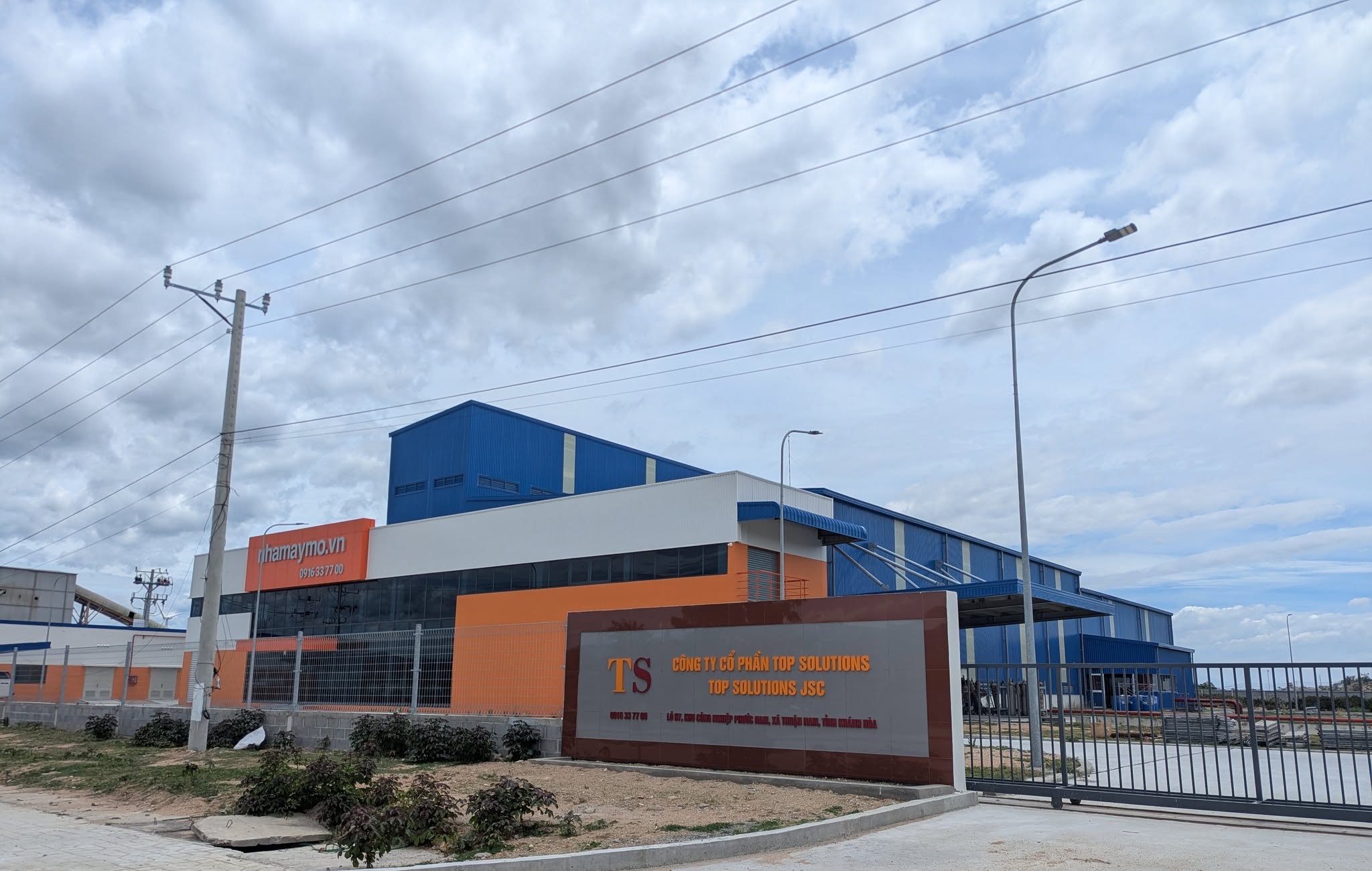
In the process of consulting manufacturing businesses, one common situation often appears: equipment is still running, but it degrades faster than expected. Bearings fail early, machines overheat abnormally, and maintenance costs gradually increase over time.
Upon closer inspection, many cases are not caused by poor equipment quality, but by a fairly “basic” factor that is often overlooked: improper use of lubricating grease.
Many assume that simply applying grease is enough. In reality, how the grease is selected, applied, and managed plays a decisive role in whether equipment can operate reliably over time.
What is lubricating grease and why it matters
Lubricating grease is a semi-solid lubricant composed of three main components:
- base oil
- thickener
- additives
In mechanical systems, lubricating grease not only reduces friction but also acts as a protective layer between metal surfaces.
In many industrial applications of lubricating grease, especially in continuously operating equipment, grease helps to:
- prevent direct metal-to-metal contact
- reduce wear over time
- stabilize operating temperature
- protect against dust and moisture
Without proper lubrication, or when the wrong grease is used, surfaces come into direct contact, and the rate of wear increases much faster than expected.
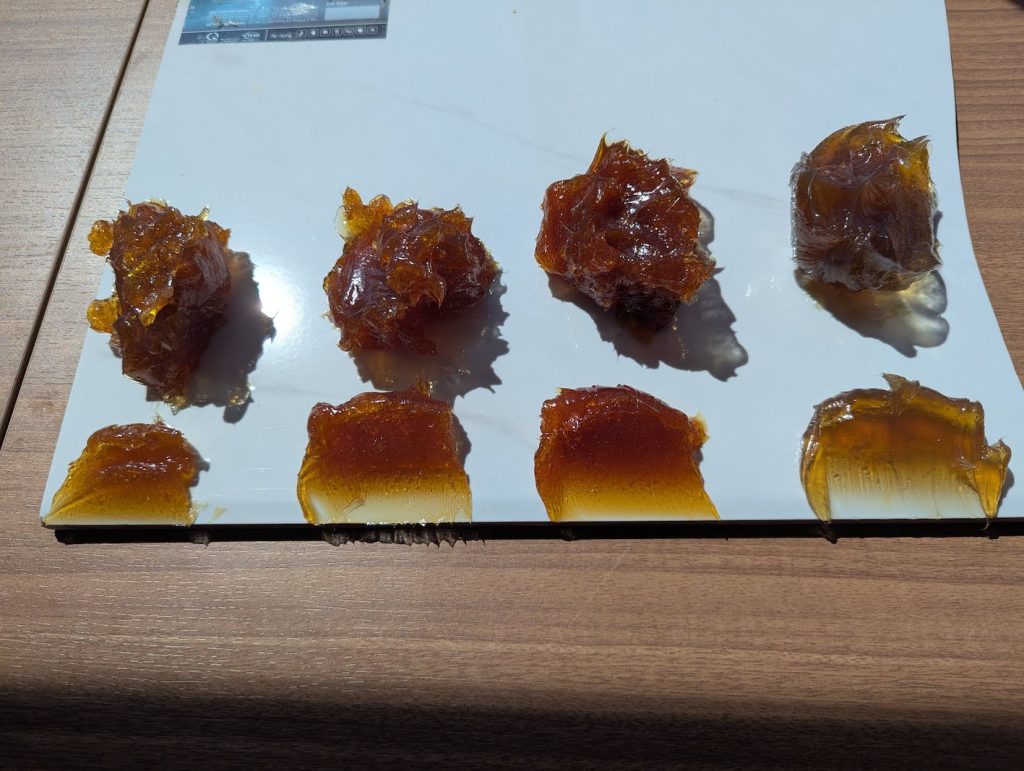
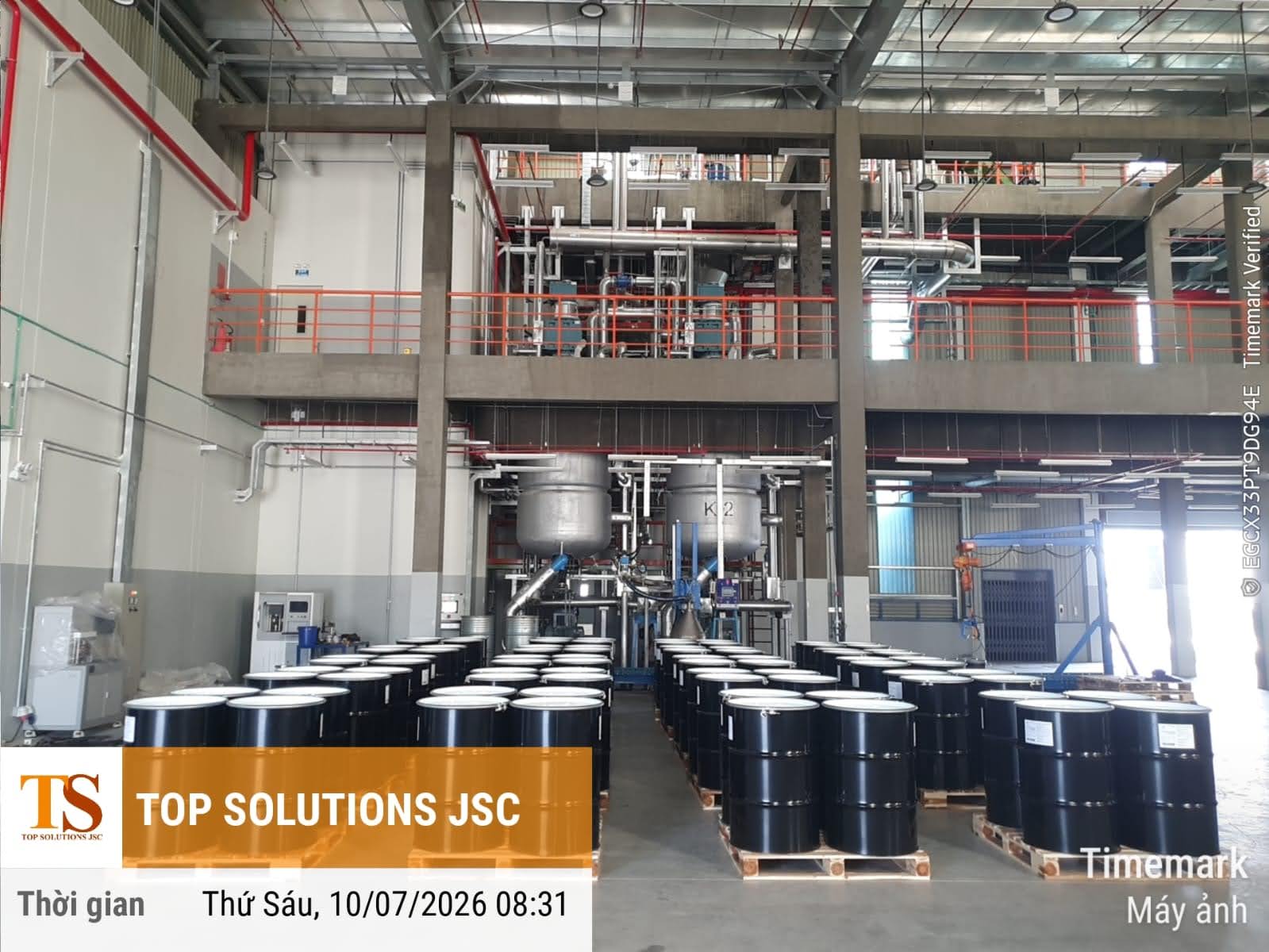
Private label grease packaging
Industrial lubricating grease applications
Why proper lubrication extends equipment lifespan
From practical experience in factories and working with various lubricating grease manufacturers in Vietnam, one key observation stands out: the same type of equipment can have very different lifespans depending on how lubrication is handled.
Reducing mechanical wear
Wear is the main reason equipment deteriorates. When lubricating grease is applied correctly:
- the oil film remains stable
- metal surfaces do not directly contact each other
- friction is effectively controlled
This significantly slows down the wear rate of components.
Maintaining stable operating temperature
Friction not only causes wear but also generates heat. If not properly controlled, high temperatures can:
- reduce lubrication effectiveness
- break down grease structure
- negatively affect metal materials
Proper lubrication helps maintain a more stable operating temperature range for the system.
Minimizing breakdowns and downtime
In real manufacturing environments, the biggest costs are often not the grease itself, but:
- machine downtime
- repair costs
- production interruptions
A stable lubrication system reduces the risk of unexpected failures, thereby extending the overall lifespan of equipment.
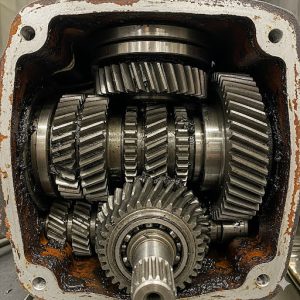
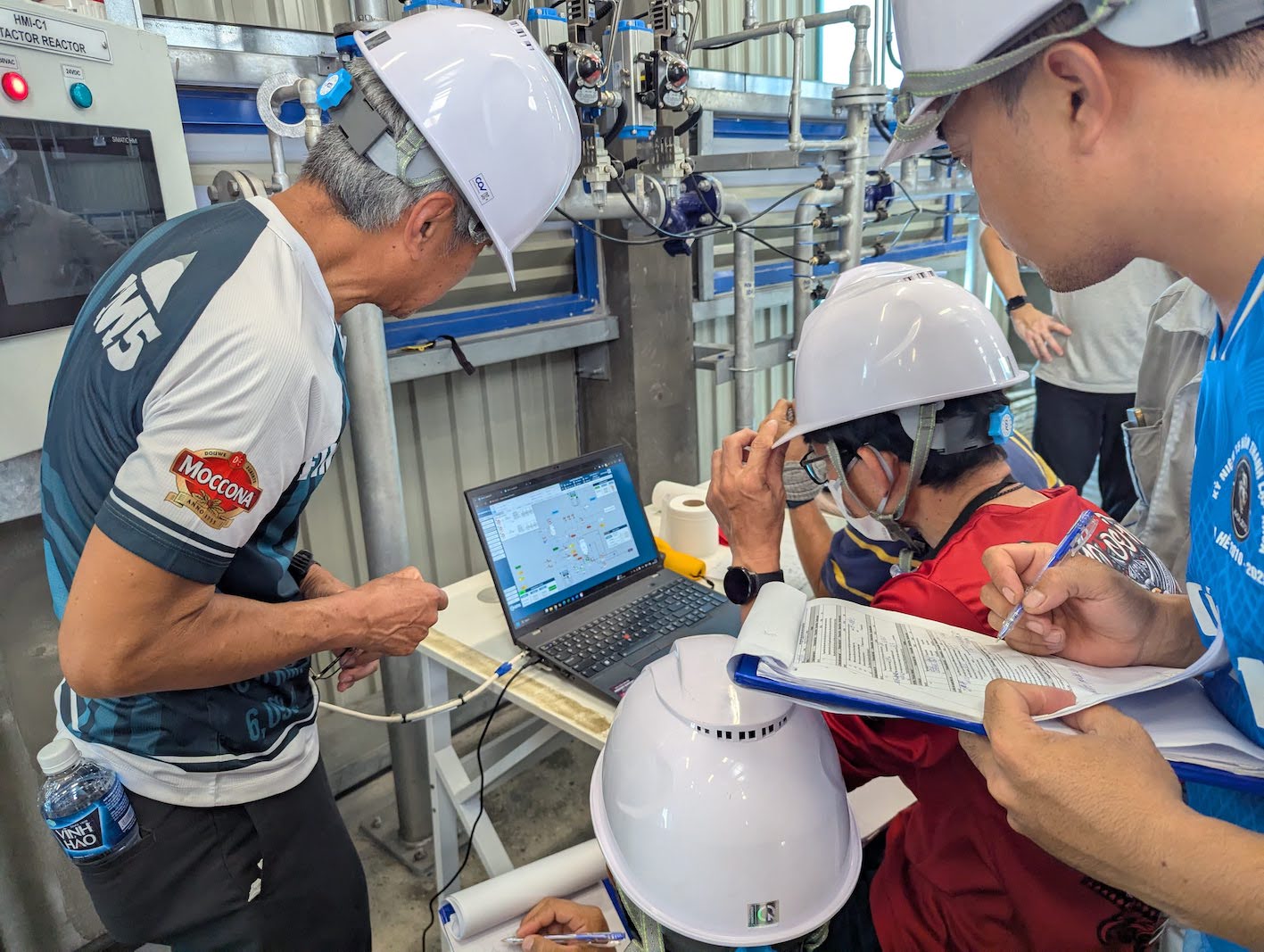
Industrial systems requiring lubrication
Equipment requiring proper lubrication
Key factors that determine proper lubrication
Proper lubrication is not only about the product itself, but also about how businesses manage and operate their systems.
Choosing the right lubricating grease
Each type of equipment has different requirements in terms of:
- load
- rotational speed
- operating temperature
Selecting the right grease is therefore essential. Lubricating grease quality standards are often used to evaluate:
- consistency (NLGI grade)
- temperature resistance
- load-carrying capacity
If the wrong grease is selected, it may not perform effectively and can even damage the equipment.
Establishing a proper lubrication interval
A common mistake is:
- under-lubrication → insufficient protection
- over-lubrication → increased pressure and heat
From practical experience, each type of equipment should have its own lubrication schedule rather than applying a general approach across the entire system.
Controlling operating conditions
The working environment has a direct impact on lubrication performance:
- dusty environments → require grease with strong protective properties
- humid environments → require water-resistant grease
- high temperatures → require heat-resistant grease
Understanding operating conditions helps ensure more effective grease selection and usage.
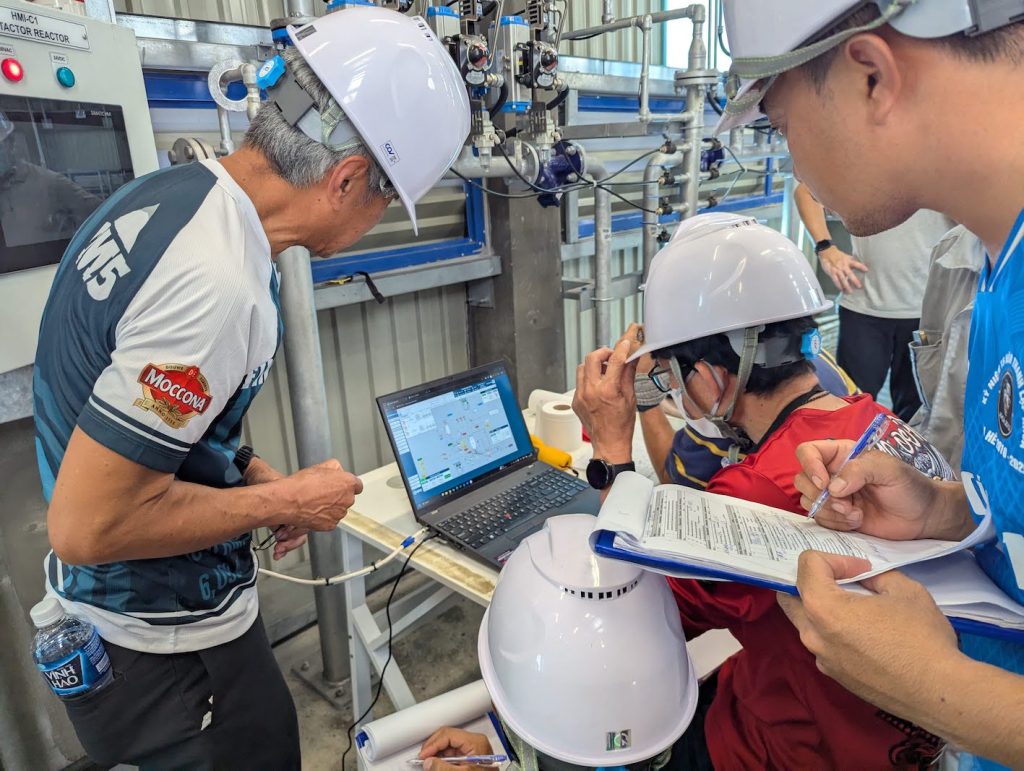
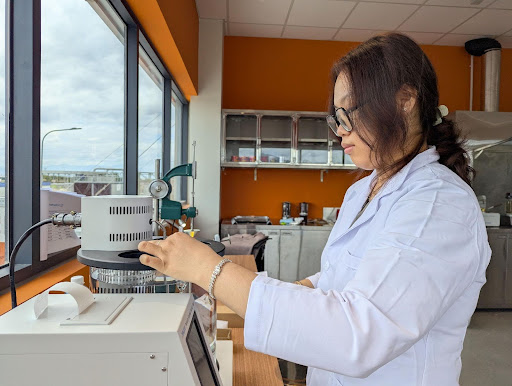
Quality control area – grease laboratory
Lubricating grease testing in laboratory conditions
Insights from lubricating grease factories in Vietnam
Currently, lubricating grease manufacturers in Vietnam have made significant improvements in:
- production technology
- quality control systems
- product development capabilities
This gives domestic businesses more options, not only in terms of products but also technical solutions.
However, there are still considerable differences between manufacturers. Some focus on output volume, while others invest more in quality and process control.
Therefore, evaluating a supplier should not be based solely on price, but on overall production capability and quality control systems.
Conclusion
Lubrication is not just a minor technical step in operations. It is a key factor that directly affects equipment lifespan and overall production costs.
Using lubricating grease correctly helps to:
- reduce wear
- stabilize operations
- minimize failures
- extend equipment lifespan
On the other hand, neglecting this factor can lead to significant hidden costs over time.
From a practical industry perspective, understanding lubricating grease and selecting the right solution is always an important step in effective equipment management.
Through the professional content available at oemgrease.com, businesses can explore more about lubricating grease products, technical standards, and real-world insights in industrial lubrication.