Launching a new lubricating grease product involves much more than selecting a formulation and container. A credible product needs to solve a defined customer problem, meet agreed technical requirements, remain consistent between batches and arrive with packaging, documentation and supply arrangements suited to its market.
Working with an OEM manufacturer can reduce the need to build a grease plant, but it does not replace market research or the brand owner's commercial and compliance decisions. The strongest projects connect product development with a realistic route to market from the beginning.
1. Define the customer, application and market need
“Industrial grease” is not a single application. Requirements can differ substantially between electric-motor bearings, slow heavily loaded bearings, construction equipment, conveyors and wet processing environments.
Before requesting samples, define:
- The target customer and equipment type
- The lubricated component and operating duty
- Temperature, load, speed and vibration
- Exposure to water, dust, chemicals or washdown
- Relubrication method and interval
- Current product, observed problems and improvement target
- Required standards, approvals or reference specifications
This information helps prevent a common mistake: developing a product around a marketing label instead of an application.
2. Convert the market need into a technical specification
A product brief should define more than NLGI grade. Depending on the application, the specification may address base-oil type and viscosity, thickener system, consistency, dropping point, extreme-pressure or anti-wear performance, water resistance, corrosion protection, oxidation stability and low-temperature behavior.
Each requirement should state the relevant test method and acceptance range where possible. Our guides to lubricating grease fundamentals and grease dropping point explain why no single headline property is sufficient.
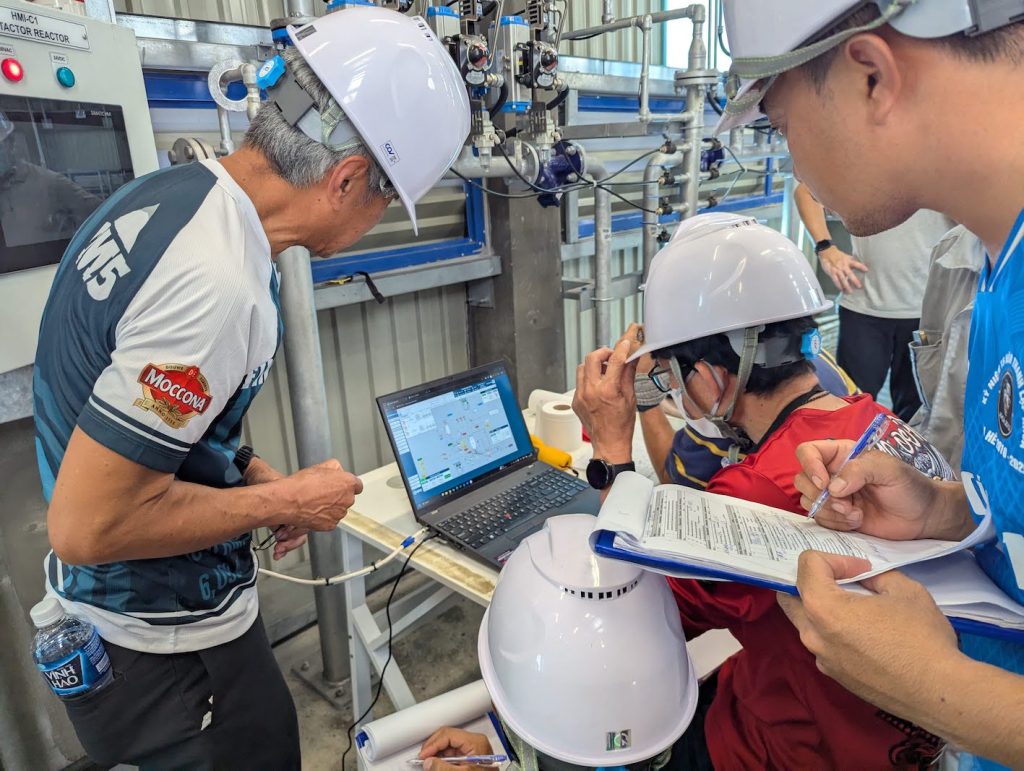
3. Plan development, sampling and approval
A structured development program normally progresses through requirement review, formulation selection or adjustment, laboratory evaluation, sample approval, trial production and commercial manufacture.
Agree in advance:
- Who approves the specification and sample
- Which tests will be performed and by whom
- How results will be documented
- What constitutes acceptance or rejection
- Whether field trials are appropriate before a wider launch
- How changes to raw materials, formulation or packaging will be controlled
4. Design packaging around the customer and supply chain
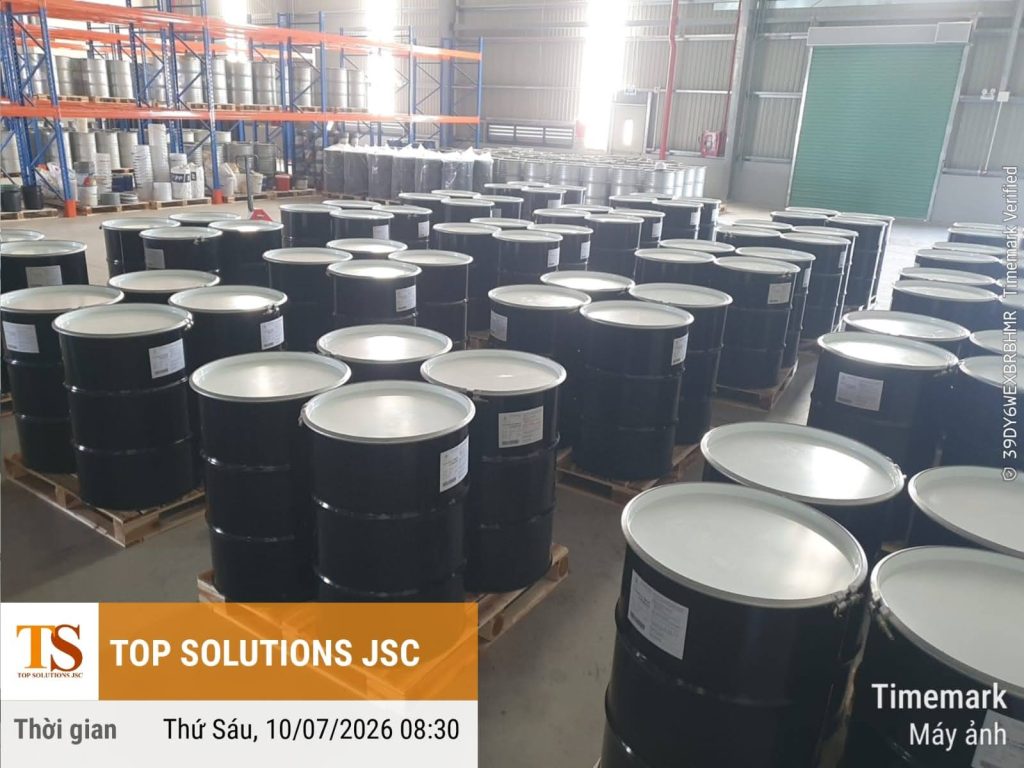
Packaging influences handling, storage, dispensing, freight cost and first impressions. Select pack sizes from expected customer usage rather than design preference alone.
Before printing, verify product identity, net content, batch or traceability fields, directions and warnings, manufacturer or responsible-party details, destination-market language, required symbols and claims. Packaging artwork should not promise performance beyond the approved specification or supporting evidence.
5. Build batch consistency into the quality plan
A brand is judged over repeat orders, not only by its first sample. Consistency depends on approved raw materials, controlled production procedures, in-process checks, finished-product testing, batch identification and retained records.
Define the certificate or test report supplied with commercial batches, record-retention expectations and the process for handling deviations or complaints. Read more about the OEM grease quality-control process.
6. Confirm commercial and supply assumptions
The launch plan should include minimum production quantities, packaging inventory, lead times, freight, storage conditions, working capital and reorder points. A technically sound product can still fail commercially if demand forecasts, landed cost or replenishment timing are unrealistic.
A focused initial range is often easier to manage than launching many overlapping products. Start with clearly differentiated applications and expand after real demand and feedback are established.
7. Prepare the route to market
Before production, decide who will sell the product, which industries and regions will be prioritized, how distributors or direct sales will be supported, and what technical information the sales team needs.
A practical launch package may include:
- Technical data sheet and safety documentation where applicable
- Product-selection and application guidance
- Approved claims and sales messaging
- Training for distributors and sales staff
- Sample and trial procedures
- Inventory, delivery and customer-support responsibilities
- A method for collecting field feedback and complaints
8. Understand the roles of the OEM and brand owner
An OEM manufacturing partner may support formulation selection, testing, production, packaging and documentation. The brand owner still needs to own market positioning, forecasts, label and claim approvals, destination-market requirements, distribution and customer relationships.
Clear responsibilities reduce delays and prevent important decisions from being discovered only after packaging has been printed or production scheduled.
A practical export example
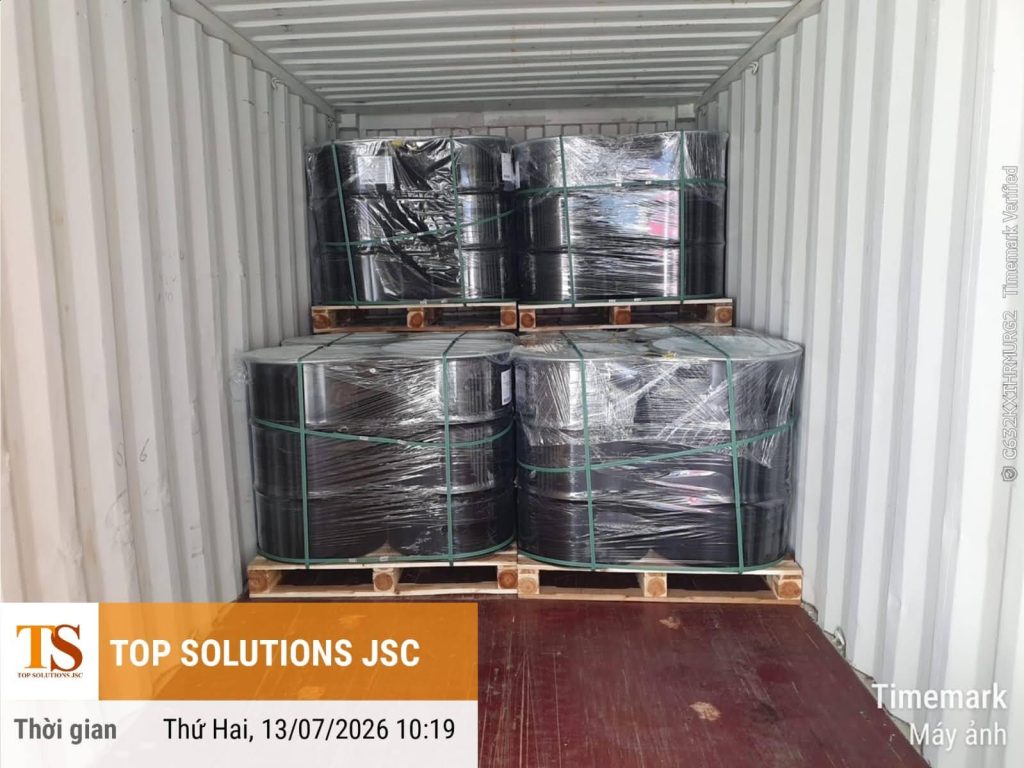
OEMGrease's existing project record describes a 20-foot container of private-label Lithium EP grease produced for an established lubricant business in Thailand. The shipment record states that an ASEAN Form D was issued for the export.
The useful lesson is not that every project follows the same route. It is that formulation, batch quality, packaging, delivery and export documentation need to be coordinated for an international launch. See the documented Thailand private-label grease shipment.
New grease product launch checklist
- Target customer and application defined
- Operating conditions documented
- Technical specification and test methods agreed
- Sample, trial and approval process assigned
- Packaging sizes and artwork approved
- Labels, claims and destination-market requirements reviewed
- MOQ, landed cost, lead time and working capital accepted
- Batch documentation and traceability defined
- Distribution, inventory and technical-support plan ready
- Launch metrics and feedback process established
Frequently asked questions
What should a business prepare before launching a grease product?
Define the target customer and application, operating conditions, required specifications, test and acceptance criteria, packaging, destination-market requirements, forecast volume, distribution plan and launch budget.
Can an OEM grease manufacturer shorten product-development time?
An OEM can provide existing manufacturing, formulation and quality-control capabilities. The brand owner still needs to approve specifications, labels, claims, forecasts, market requirements and commercial plans.
Why is batch consistency important for a grease brand?
Customers expect agreed product characteristics across repeat orders. Defined raw-material controls, production procedures, test methods and acceptance limits provide the basis for consistent supply.
What information is needed to request an OEM grease quotation?
Provide the application, operating temperature, load, speed, environment, required standards, pack sizes, destination market, estimated annual volume and target launch date.
Conclusion
A new grease product should be treated as a coordinated technical and commercial project. Market demand, specification, testing, packaging, supply, documentation and distribution all need owners and acceptance criteria.