English
 Bahasa
 Hindi
Hindi
 Arabic
 Spanish




One question comes up quite frequently when working with companies in the lubrication industry: when is the right time to launch a private-label grease brand, and where should a business begin to avoid costly mistakes?
Many companies already have an established customer base and stable sales channels, yet they remain heavily dependent on the brands they distribute. As profit margins become tighter, supplier policies change, or customers require more specialized solutions, building a private-label lubricating grease brand becomes more than just an attractive option—it becomes a strategic business consideration.
Lubricating Grease and Its Role in Brand Development
Lubricating grease is a semi-solid lubricant composed of three main elements:
• Base oil
• Thickener
• Additives
In industrial equipment, grease reduces friction, minimizes wear, and protects components during operation.
However, from a business perspective, lubricating grease is more than just a technical product. It can become a core element of a company’s long-term product strategy.
When a business only distributes existing brands, it has limited control over:
• Product pricing
• Market policies
• Product development direction
On the other hand, owning a private-label grease brand allows greater flexibility in product positioning, portfolio management, and market strategy.
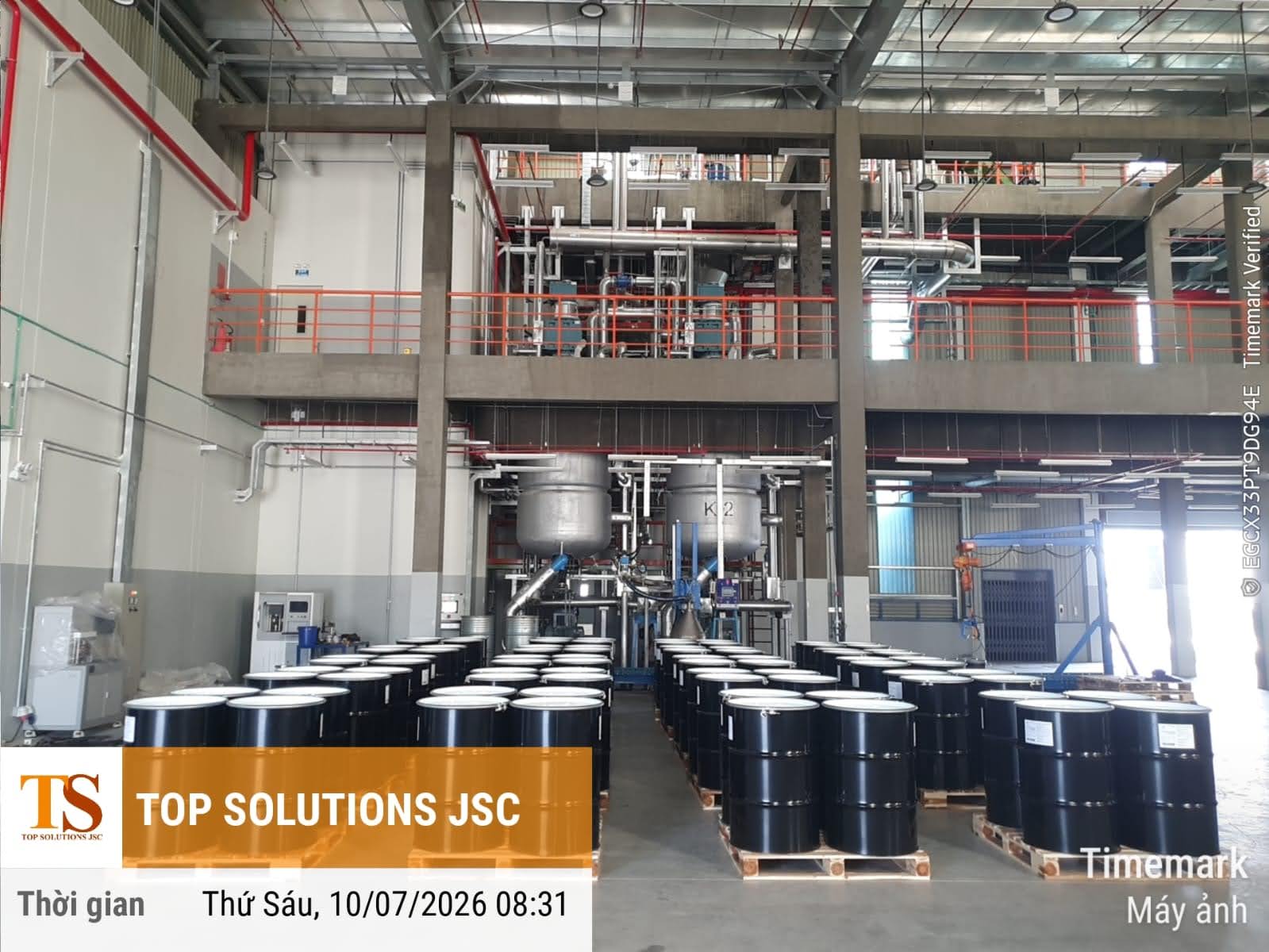
[IMAGE 1: Private Label Lubricating Grease Production]
When Should a Business Start Building Its Own Grease Brand?
Not every company needs a private-label brand from day one. However, certain indicators suggest that the timing may be right:
• The company has an established customer base
• Customer application requirements are well understood
• Existing suppliers create limitations in pricing or business policies
• The company wants to build long-term value rather than focus solely on short-term sales
From practical industry experience, many businesses only consider private-label products after encountering challenges. In reality, starting preparations earlier often makes the transition smoother and less risky.
Key Steps to Launch a Lubricating Grease Brand
1. Define Your Target Market and Application
Rather than creating a general-purpose product for everyone, businesses should begin by focusing on specific applications such as:
• Industrial bearing grease
• Grease for textile manufacturing equipment
• Grease for continuously operating machinery
A clear application focus helps determine product formulation and reduces direct price competition.
2. Choose the Right Manufacturing Model
There are generally two approaches:
• Building a manufacturing facility from scratch
• Partnering with a grease OEM manufacturer
In practice, most companies choose grease OEM manufacturing because it offers several advantages:
• Lower initial investment
• Access to existing production capabilities
• Greater focus on sales and market development
3. Understand Basic Technical Specifications
Businesses do not need to become lubrication experts, but understanding a few key technical factors is highly beneficial:
• NLGI consistency grade
• Temperature resistance
• Load-carrying performance
This knowledge improves communication with manufacturers and reduces dependency on external technical decisions.
4. Develop Packaging and Brand Identity
Packaging is more than a container—it represents how a company appears in the marketplace.
Important considerations include:
• Clear product information
• Design aligned with target customers
• Consistent brand identity
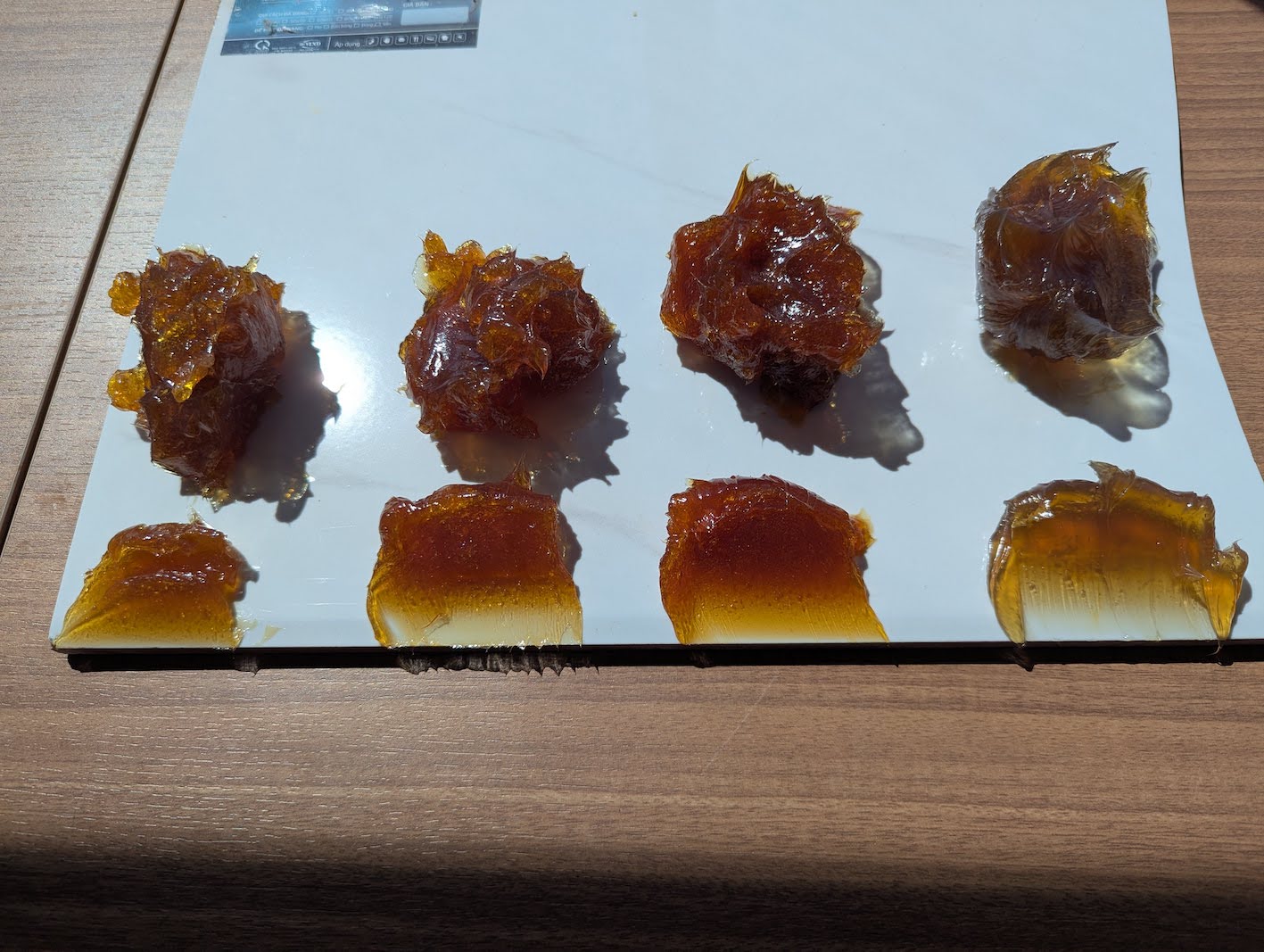
[IMAGE 2: Building a Brand in the Industrial Lubricating Grease Industry]
5. Ensure Quality Control and Product Consistency
One of the biggest risks in private-label manufacturing is inconsistent product quality between production batches.
Businesses should ensure that:
• The manufacturer has a clear quality control system
• Products are tested before shipment
• Defined standards exist for every product line
Important Factors When Selecting an OEM Manufacturer
Production Capability
The manufacturer should have stable production capacity and the ability to scale as demand grows.
Quality Control
Product quality should be verified through real testing procedures rather than relying solely on technical documentation.
Flexibility
The ability to customize formulations, packaging, and product specifications helps businesses respond to changing market needs.
Industry Experience
A manufacturer with practical application knowledge can provide more accurate recommendations and help avoid costly formulation mistakes.
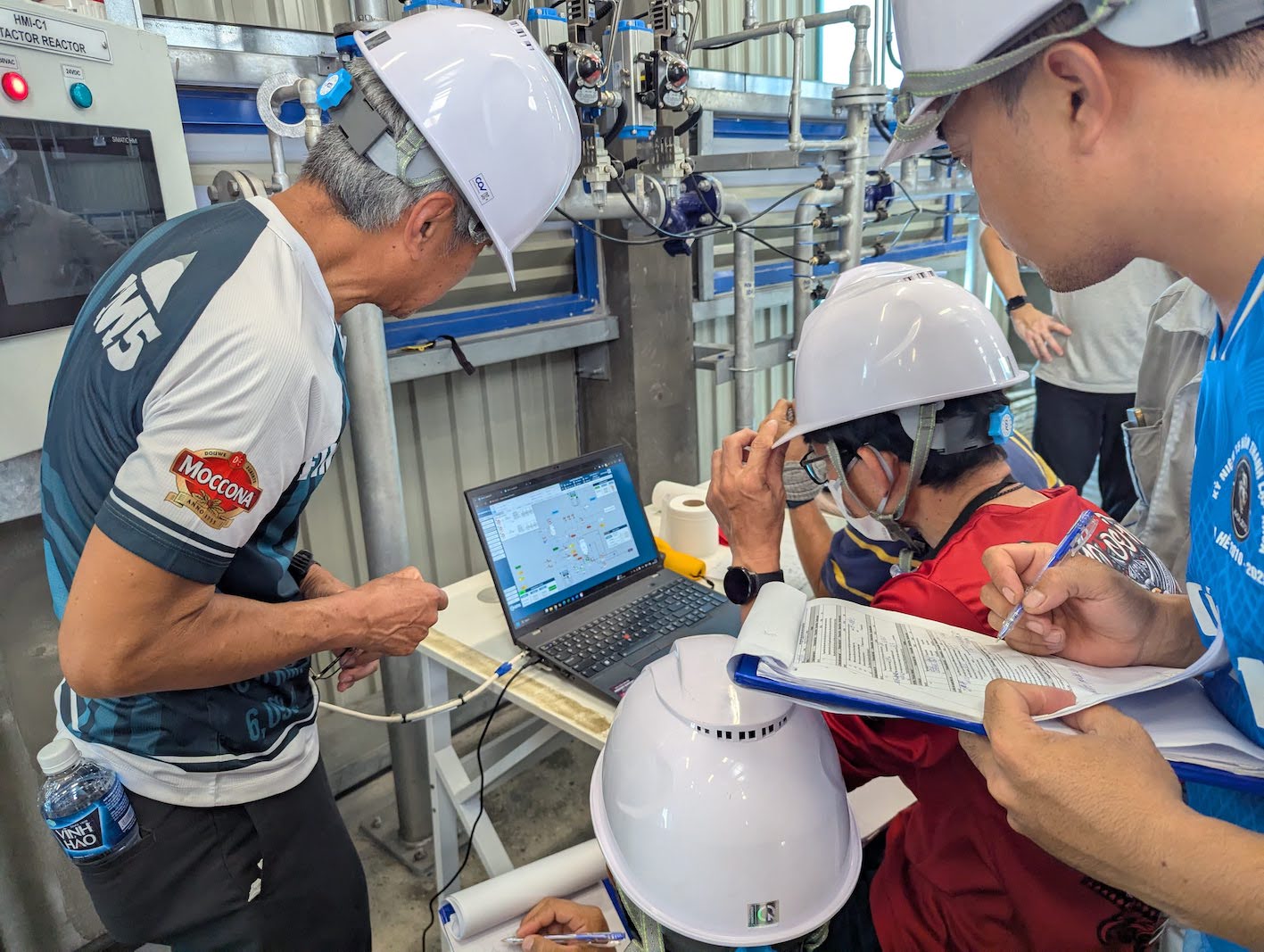
[IMAGE 3: Lubricating Grease Production Line in a Manufacturing Facility]
A Practical Market Perspective
Vietnam’s lubricating grease market continues to grow alongside industrial development. As a result, many companies are shifting from simple distribution models toward building their own brands.
However, not every private-label project succeeds.
The difference often comes down to:
• Product knowledge
• Selection of the right manufacturing partner
• A clear market strategy
Businesses that approach private-label development systematically tend to achieve more sustainable growth than those that proceed without a structured plan.
Conclusion
Building a private-label lubricating grease brand is not a simple undertaking, but it is far from impossible when approached correctly.
The most important factors are:
• Understanding the market
• Selecting the right product strategy
• Partnering with the right manufacturer
From an industry perspective, thorough preparation during the early stages can significantly reduce risk and establish a strong foundation for long-term growth.
About oemgrease.com
oemgrease.com is a specialized platform focused on industrial lubricating grease and grease manufacturing. In addition to sharing technical knowledge and practical industry insights, the platform helps businesses explore OEM grease manufacturing solutions.
Through oemgrease.com, companies can gain a better understanding of grease production processes, quality standards, and effective strategies for developing private-label lubricating grease brands that align with their business goals.