English
 Bahasa
 Hindi
Hindi
 Arabic
 Spanish






In the process of working with many manufacturing businesses, one common issue appears quite often: many companies use lubricating grease every day but do not fully understand what the product is actually made of.
Most people only focus on whether the grease “works well” and how much it costs, while paying little attention to the structure behind it. However, the composition of lubricating grease directly affects equipment performance, machine durability, and long term operating costs.
At oemgrease.com, understanding the structure of lubricating grease not only helps businesses choose the right product more effectively, but also helps avoid many common mistakes during operation and maintenance.
Overview of Lubricating Grease in Industrial Production
Lubricating grease is a semi solid lubricant widely used in industrial applications, especially in positions where lubricating oil cannot remain in place for a long period of time.
From practical experience at manufacturing plants, grease is commonly used for:
• Bearings
• Rotating shafts
• Mechanical joints
• Continuous operating equipment
• Dusty or humid environments
The biggest difference between grease and lubricating oil is its strong adhesion and ability to stay at the lubrication point longer.

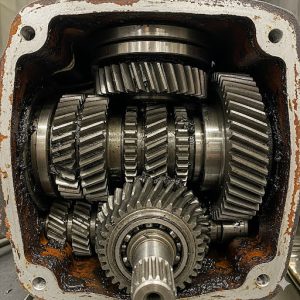
Illustration of lubricating grease used in industrial equipment
What Components Make Up Lubricating Grease?
Basically, lubricating grease is made from three main components:
• Base oil
• Thickener
• Additives
These three elements combine to create the characteristic structure of grease, with each component playing a different role.
1. Base Oil – The Main Lubricating Component
Base oil accounts for the largest portion of lubricating grease, typically around 70% to 90%. This is the component directly responsible for reducing friction between metal surfaces.
Simply put, if grease were separated, the base oil would be the “actual lubricating part.”
In practice, base oils may include:
• Mineral oil, commonly used in industrial applications
• Synthetic oil, often used for more demanding operating conditions
From practical consulting experience, choosing the right base oil significantly affects:
• Heat resistance
• Operational stability
• Grease service life
2. Thickener – The Structure That Gives Grease Its Form
If base oil is the lubricating element, the thickener is what gives grease its semi solid structure.
You can think of the thickener as the “skeleton” that holds the oil in place and prevents it from leaking away from the lubrication point.
Some common thickener systems used in the grease industry include:
• Lithium
• Calcium
• Polyurea
Each type has different characteristics related to:
• Heat resistance
• Water resistance
• Mechanical stability
This is also why there is no single grease suitable for every industrial application.
3. Additives – The Performance Enhancers
Although additives only make up a small percentage of the formula, they play a major role in improving grease performance.
Depending on the intended application, manufacturers may use additives such as:
• Extreme pressure (EP) additives
• Anti wear additives
• Oxidation inhibitors
• Rust prevention additives
From real world experience at lubricating grease factories in Vietnam, additives are one of the key factors that allow grease products to be customized for specific industrial applications.
For example:
• Heavy load equipment → requires EP additives
• Humid environments → requires water resistant additives
• High temperature applications → requires thermal stability additives
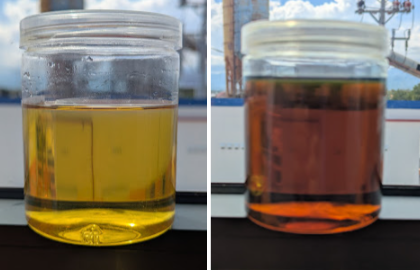
What is base oil? Illustration showing grease structure and base oil composition
Why Should Businesses Understand Grease Composition?
In real production environments, understanding grease structure helps businesses make more accurate decisions instead of relying only on product names or brand reputation.
Avoid Choosing the Wrong Grease
Many equipment failures are not caused by poor quality grease, but by selecting the wrong grease for the operating conditions.
Improve Cost Efficiency
A more expensive grease is not always the better solution. What matters most is whether the grease matches:
• Load conditions
• Operating temperature
• Working environment
Support OEM Grease Development
For businesses developing products through OEM lubricating grease manufacturing, understanding grease composition helps:
• Communicate more clearly with the factory
• Define product formulation goals
• Improve quality control
Practical Perspective from Lubricating Grease Factories in Vietnam
Today, many lubricating grease manufacturers in Vietnam are capable of:
• Using a wide range of base oils
• Applying different thickener systems
• Customizing additives based on customer requirements
This allows businesses not only to purchase ready made products, but also to develop grease solutions specifically designed for their applications.
However, there are still major differences between factories. Therefore, businesses should evaluate:
• Production capability
• Quality control systems
• Industry experience

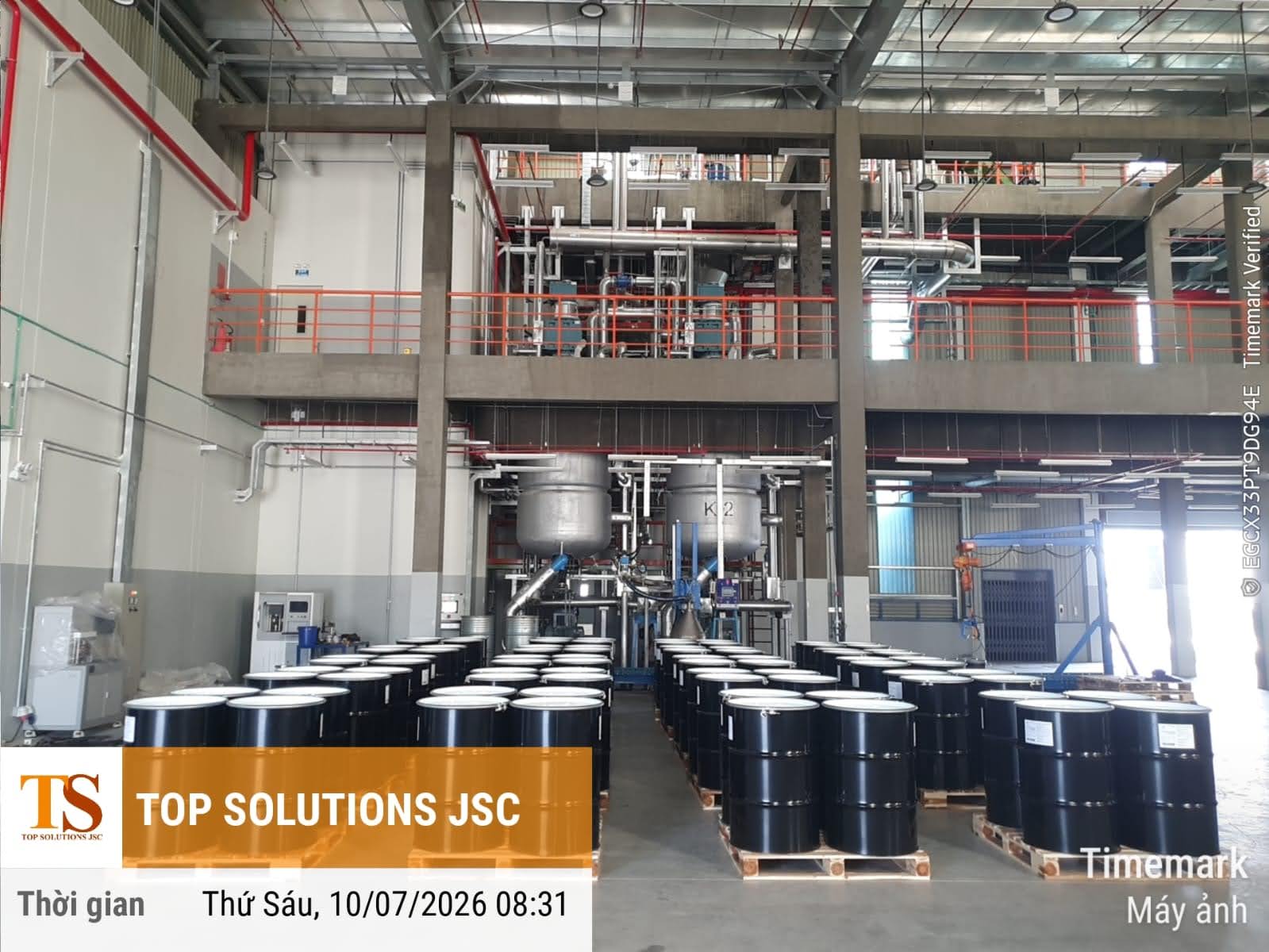
Grease quality control area – Lubricating grease production process inside a factory
OEM Lubricating Grease Services at OEMGREASE.COM
At oemgrease.com, businesses can access flexible OEM lubricating grease solutions developed around actual operational needs instead of simply choosing products already available on the market.
The process usually starts with understanding the customer’s operating conditions, followed by formulation recommendations, product testing, and quality verification before production begins.
The key focus is not simply creating a product, but developing a lubrication solution that fits both the equipment and the business strategy of the customer.
Conclusion
Lubricating grease is not just a simple industrial product. It is a carefully balanced combination of base oil, thickener, and additives designed to create an effective lubrication solution for specific operating conditions.
Understanding the structure of lubricating grease helps businesses:
• Select the right product
• Reduce operational risks
• Manage operating costs more effectively
As industrial requirements continue to become more specialized, learning more about grease structure and applications is increasingly important.
Through the professional content available at nhamaymo.vn, businesses can explore more information about lubricating grease, technical standards, and practical perspectives from real world industrial production and applications.