English
 Bahasa
 Hindi
Hindi
 Arabic
 Spanish






In the process of consulting manufacturing businesses, one question comes up quite often: should companies continue using lubricating grease from international brands, or shift toward OEM grease solutions for better control?
At the early stage, many businesses prefer well-known global brands due to their reputation. However, as operations scale up, the focus gradually shifts toward cost, stability, and how well the product fits actual working conditions.
Choosing between OEM grease and international brands is not simply about comparing prices. It reflects how a company manages its operations and its long-term strategy. Let’s find out from oemgrease.com!
What Are OEM Grease and International Brand Grease?
Before making a comparison, it’s important to understand the nature of these two options.
International Brand Grease
These are products developed and manufactured by global companies. Businesses in Vietnam typically access them through distributors or authorized dealers.
Some clear advantages include:
- Established brand reputation
- Clearly defined quality standards
- Standardized products
OEM Grease (Private Label Manufacturing)
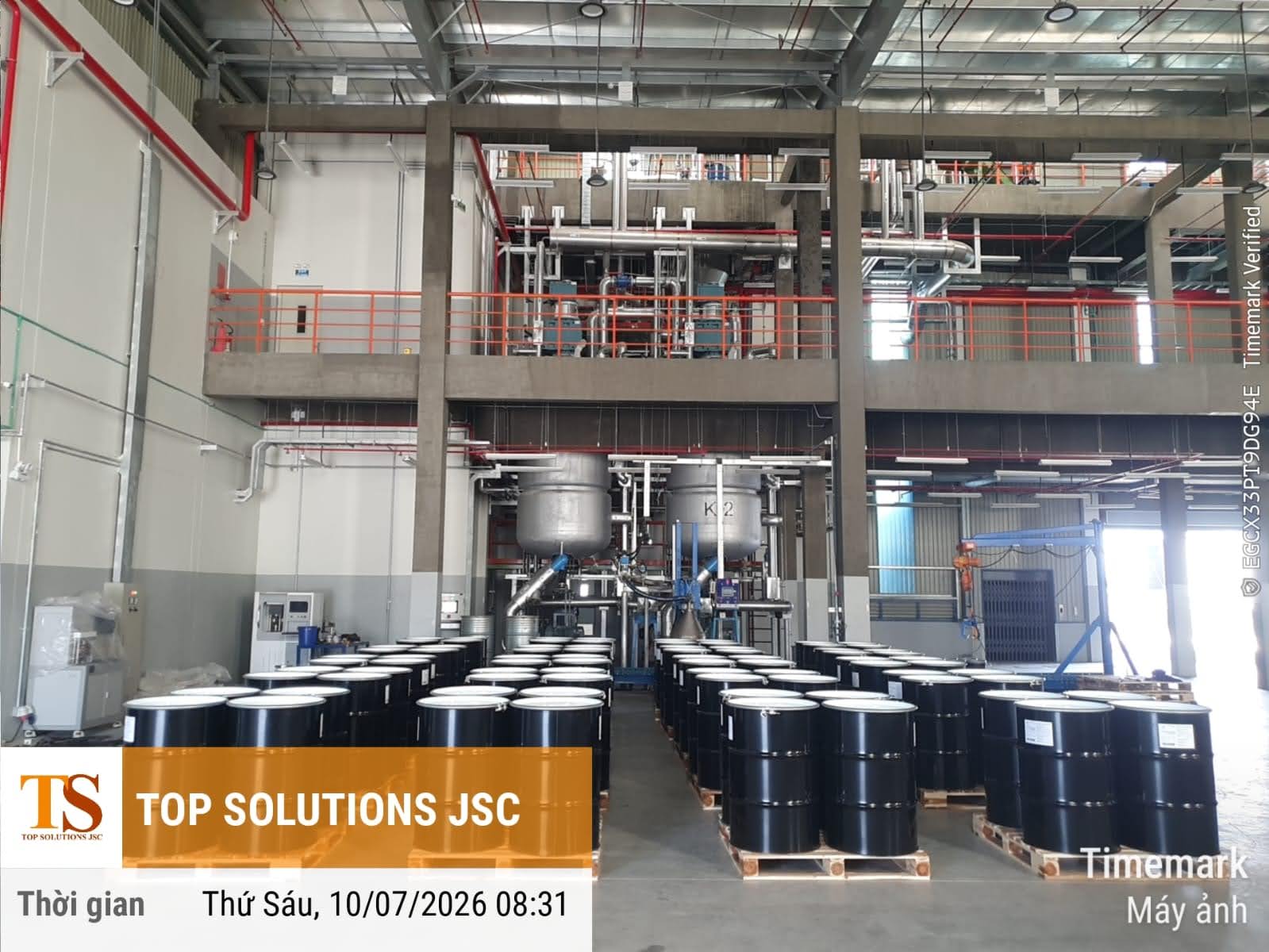
OEM grease refers to a model where a business partners with a lubricating grease manufacturer to produce products based on specific requirements, then sells them under its own brand.
In this model:
- The manufacturer handles production and quality control
- The business focuses on market strategy, customers, and product positioning

Key Differences Between OEM Grease and International Brands
From real-world consulting experience, the difference is not about which option is “better,” but which one fits the business needs.
1. Level of Business Control
With international brands:
- Pricing depends on the supplier’s policies
- Limited flexibility for different customer segments
- Potential internal competition among distributors
With OEM grease:
- Businesses can control pricing strategies
- Define their own product positioning
- Reduce dependence on a single supplier
This is why many companies start considering OEM when their business grows.
2. Customization Based on Application
In reality, lubricating grease applications in manufacturing vary widely. Each industry has different requirements in terms of:
- Temperature
- Load conditions
- Working environment
With international brands:
- Products are standardized
- Limited flexibility for specific applications
With OEM grease:
- Formulations can be customized
- More flexibility for niche or specialized use cases
However, this strongly depends on the manufacturer’s capability.
3. Quality Control and Consistency
One of the most important concerns is industrial lubricating grease quality standards.
International brands:
- Have well-established quality systems
- Offer high consistency between batches
OEM grease:
- Quality depends on the manufacturer
- With strong QC systems, consistency can match international levels
- Poor partner selection can lead to inconsistent quality

4. Cost and Overall Efficiency
Each option comes with its own cost structure, including hidden costs in actual operations.
International brands:
- Higher price due to brand value and import costs
- Optimized for general applications
OEM grease:
- Can be cost-optimized for specific needs
- Reduces distribution and intermediary costs
- Requires time investment for product development
In the end, efficiency is not just about purchase price, but total operational cost.

Summary Comparison Table
| Criteria | International Brand Grease | OEM Grease (Private Label) |
| Business Control | Low | High |
| Customization | Limited | Flexible |
| Quality Standards | Stable, predefined | Depends on manufacturer |
| Product Cost | Typically higher | Can be optimized |
| Time to Market | Fast | Requires development time |
| Best Fit | Businesses needing ready-made solutions | Businesses aiming for market control |
Conclusion
There is no absolute right answer when comparing OEM grease and international brands. Each option fits different stages and goals of a business.
- International brands are suitable for stability and quick deployment
- OEM grease is suitable for businesses that want control and customization
The key is not choosing one over the other blindly, but understanding your operational needs and selecting the right approach.
Through the content available at oemgrease.com, businesses can explore more about lubricating grease, technical standards, and practical insights for selecting and implementing lubrication solutions in industrial production.