More businesses in the lubricants industry are exploring opportunities to build their own brands. Instead of distributing products solely under another company's name, they can take greater control of their product portfolio, brand identity and long-term commercial direction.
Ownership alone does not guarantee market success. A successful private-label grease product requires a coordinated approach to product quality, customer demand, manufacturing capability, packaging, pricing and distribution. This guide explains the ten factors businesses should align before and after launch.
What is private-label grease?
Private-label grease is manufactured for a business and marketed under that business's own brand. Instead of investing immediately in a complete factory, production line and research system, the brand owner can work with an OEM grease manufacturer to develop products against agreed requirements.
This model allows each party to focus on its strengths: the business manages positioning, customers and market development, while the manufacturer supports formulation, production and quality control. Success still depends on a clear specification, documented responsibilities and realistic commercial planning.

1. Understand market demand
Begin with the customer's problem rather than the factory's product list. Ask which equipment, operating conditions and market segments the brand intends to serve; which products are underrepresented; and which buying criteria matter most to the target customer.
A focused market definition helps the business select a relevant starting range instead of launching numerous products without a clear audience. It also gives the technical team a better basis for recommending suitable products and tests.
2. Maintain consistent product quality
Industrial grease quality is not established by one successful sample. The more important question is whether the agreed properties can be maintained from batch to batch.
Quality planning should cover incoming raw materials, approved formulations, controlled production steps, technical specifications, finished-product testing and release records. A documented OEM grease quality-control process helps the brand and manufacturer manage variation before product reaches customers.
3. Match the formulation to the application
A suitable product does not need the highest rating in every category. It needs a formulation appropriate to the intended equipment and operating environment.
Relevant factors may include temperature range, load-carrying capacity, water resistance, mechanical stability, oxidation resistance and NLGI consistency grade. The manufacturer can then recommend a suitable combination of base oil, thickener and additives. Test methods and acceptance limits should be defined for the actual product rather than implied by broad claims; see our guide to international standards for OEM grease manufacturing.

4. Choose the right OEM manufacturer
The manufacturing partner should offer stable production capability, a defined quality-control system, technical experience, formulation-development support, appropriate packaging options and the capacity to grow with the brand.
Price matters, but it should not be the only comparison. Businesses should also review the manufacturer's development workflow, sample process, documentation, lead times, issue-resolution procedure and ability to maintain specifications as volumes increase.
5. Align packaging with brand positioning
Packaging is often a customer's first physical interaction with the product. It should provide clear brand identification, readable technical information, formats appropriate to the intended use and a consistent visual system across the range.
Artwork and labels also need space for the information required by the destination market and commercial channel. Early coordination among brand, technical and production teams reduces avoidable changes later. Read more about OEM grease packaging design.
6. Set pricing that supports the business strategy
The lowest manufacturing price is not automatically the strongest business case. An inexpensive product that is inconsistent or unsuitable for its application can create warranty, replacement and reputation costs.
Build pricing from the complete cost structure: raw materials, manufacturing, packaging, transport, warehousing, channel margins and the selling price appropriate to the target segment. The objective is a sustainable commercial model, not merely the lowest initial quotation.
7. Ensure a reliable supply
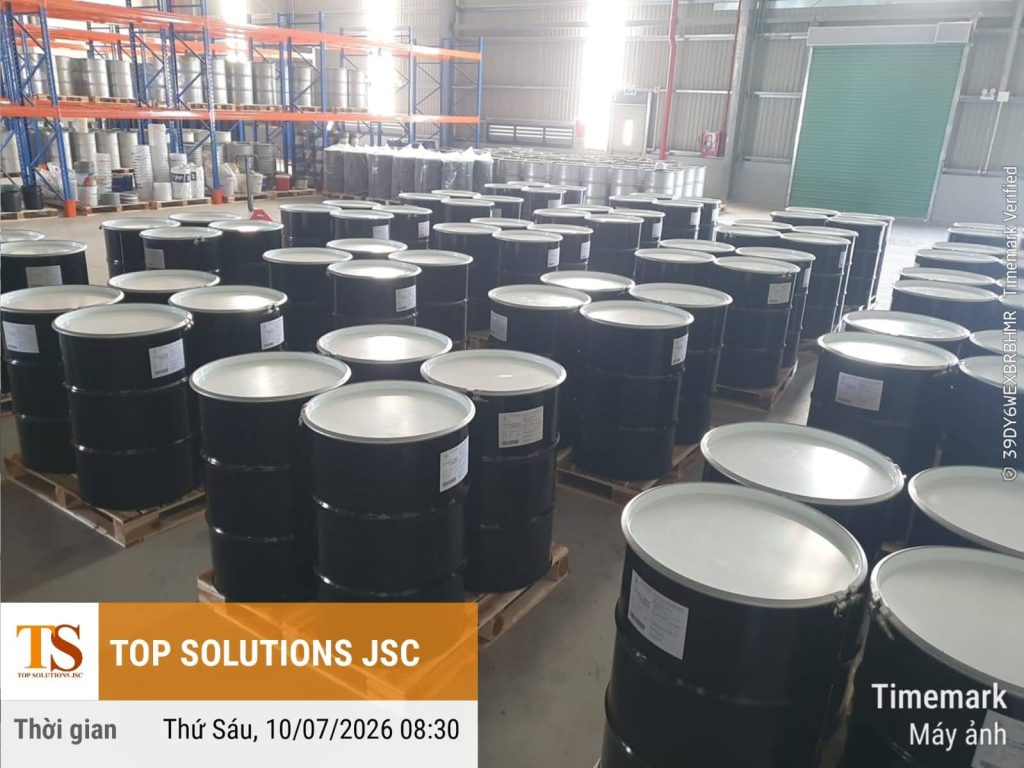
Once the brand gains customers, shortages can affect both revenue and trust. Review actual production capacity, order-size flexibility, raw-material availability, lead times and the manufacturer's ability to maintain quality as output grows.
Forecasts do not need to be perfect, but sharing realistic volume ranges and seasonal patterns helps both parties plan materials, packaging and production more effectively.
8. Develop a strategic product portfolio
A common launch mistake is introducing too many products at once. A focused range—such as multipurpose grease, lithium grease, lithium EP grease, high-temperature grease or an application-specific product—makes it easier to communicate value, manage inventory and learn from the market.
Expand after demand has been validated. The new grease product launch checklist can help structure the next decisions around specification, packaging, supply and market readiness.
9. Establish a clear distribution strategy
Even a technically strong product can struggle without suitable sales channels. Decide whether the range will be sold through dealers, distributors, direct industrial sales, e-commerce or export partners.
Distribution choices affect pack sizes, pricing, margin structure, technical support, stock placement and marketing materials. Define these channels early enough for the product and commercial plan to support one another.
10. Plan for long-term growth
A private-label brand should not be designed around only a few orders. The long-term plan should connect portfolio development, target customers, distribution, brand identity, supply reliability and geographic expansion.
Review performance by product, segment and channel. Use actual customer feedback and demand data to refine the range instead of expanding solely from assumptions. Our guide on where to start when building a grease brand provides complementary planning questions.
OEM lubricating grease services at OEMGrease.com
OEMGrease.com supports businesses from initial product concept through to the manufacture of finished products under their own brands. Depending on the project, the discussion may cover market demand, target applications, formulation development or adjustment, testing, quality control, packaging and supply planning.
The purpose of OEM manufacturing is not simply to place a different label on an existing product. It is to develop a product and supply route aligned with the brand's target market, technical requirements and business strategy.
Request an OEM Grease Consultation
Conclusion
The success of a private-label grease brand depends on multiple connected factors: market understanding, application-appropriate formulation, consistent quality, manufacturer selection, packaging, cost management, dependable supply, a focused portfolio and clear distribution.
Consistent quality and suitability for the real application remain fundamental. A technically capable OEM partner can reduce the burden of initial manufacturing investment while allowing the brand owner to focus resources on customers, distribution and long-term market development.