Formulation, quality and cost are central to a private-label grease project, but packaging is the part customers handle, identify and often see first. It must protect the product while communicating the brand and the technical information needed to distinguish one grease from another.
For industrial products, effective packaging is not decoration alone. Pack size, closure, label material, filling process, storage, transport and actual use all affect whether the finished product is practical and market-ready.
What role does packaging play in OEM grease products?
Packaging can help a private-label grease business:
- Build consistent brand recognition
- Differentiate products within a range
- Communicate technical and application information
- Support product identification and traceability
- Protect grease during storage, handling and transport
- Present a professional product to distributors and end users
A strong formulation can still be undermined by unclear product identification, inconsistent artwork or a pack format that does not fit the customer's equipment and distribution channel.
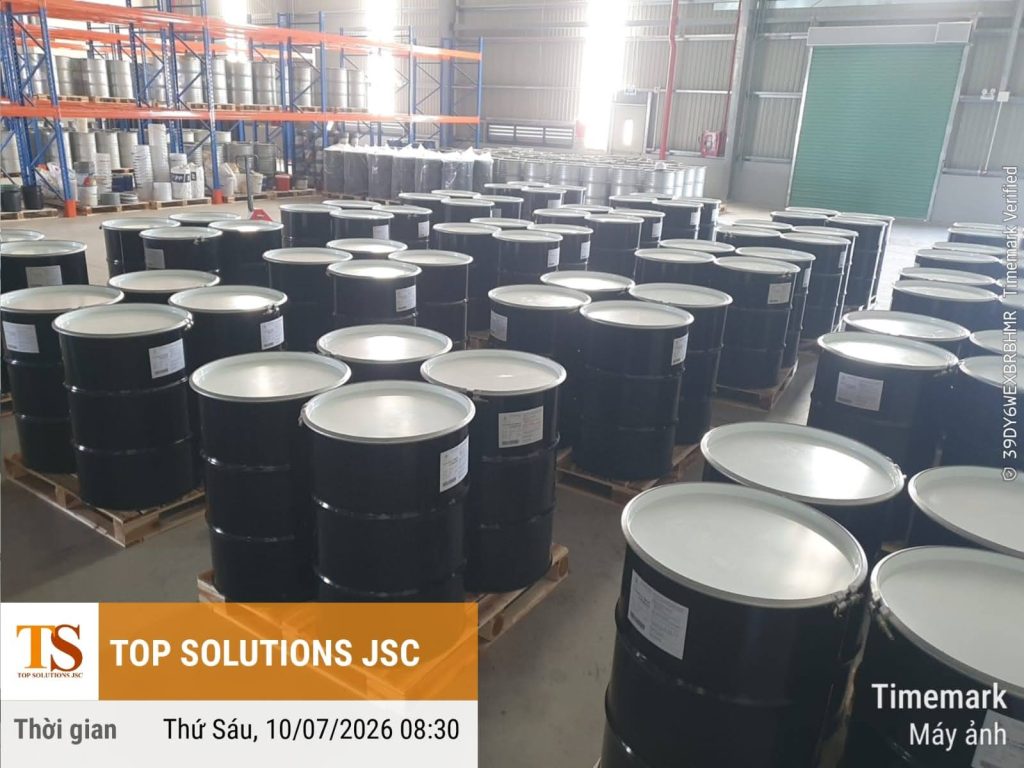
1. Select a suitable grease packaging format
The first decision is how customers will receive and use the grease. Common options include cartridges or tubes, small containers, pails and drums. Availability and specifications vary by project and supplier.
The choice should consider:
- Expected customer usage and dispensing method
- Net content and commercial order quantity
- Container and closure compatibility
- Filling and sealing capability
- Storage and transport conditions
- Freight efficiency and destination-market needs
Packaging requirements should therefore be included in the initial OEM project brief rather than decided after formulation approval.
2. Build packaging around the private-label brand
Private-label packaging normally brings the brand name, logo, colors, product family and contact information into one recognizable system. A shared visual structure can make an expanding product range easier to navigate while colors, product codes or other controlled elements distinguish individual greases.
The OEM partner may coordinate artwork dimensions and production requirements, but the brand owner should approve identity, trademarks, claims and final files before printing.
3. Organize technical product information clearly
Industrial grease packaging needs more than a product name. Depending on the product, application and market, the label may include:
- Product name and code
- Grease or thickener type
- NLGI consistency grade
- Recommended applications or selection guidance
- Net content
- Batch or traceability information
- Storage and handling information
- Manufacturer, brand owner or responsible-party details
Technical statements should match the approved specification and supporting test evidence. The label should not imply that one property—such as color, texture or dropping point—determines overall product quality.
4. Coordinate the packaging with grease production
Working directly with an OEM manufacturer allows the formulation, pack, label and filling process to be reviewed together. This helps identify practical conflicts before commercial production—for example, when a selected container or order quantity does not fit available filling and sourcing arrangements.
A coordinated process can cover requirement review, formulation selection or adjustment, quality testing, packaging sourcing, artwork approval, label production, filling, finished-product checks and delivery planning. See the full OEM grease manufacturing quality-control process.
5. Prepare packaging for the target market
Market-ready packaging may need specific languages, units, symbols, warnings, responsible-party information or supporting documents. Requirements differ by destination and product; they should be verified for the actual market rather than copied from an unrelated product.
The brand owner remains responsible for confirming applicable legal and commercial requirements. The manufacturer can support coordination by supplying approved product data and aligning the physical packaging with the agreed production specification.
Practical example: private-label Lithium EP grease for Thailand
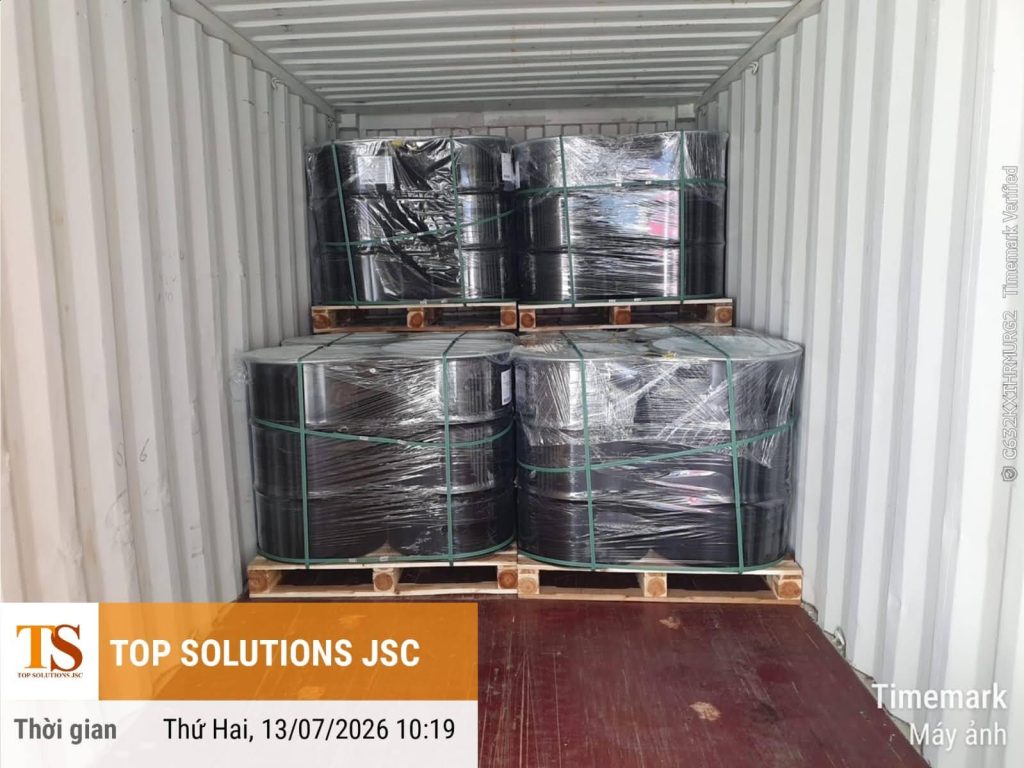
OEMGrease's existing project record describes a 20-foot container of Lithium EP grease manufactured and packaged under a private label for an established lubricant business in Thailand. The published record states that packaging and label design followed the customer's brand identity and that an ASEAN Form D was issued for the shipment.
The example shows why international OEM projects need coordinated formulation, quality control, packaging, filling and export preparation. It does not imply that every product or shipment follows identical requirements. Read the documented Thailand Lithium EP grease export case.
OEM grease packaging checklist
- Target application and customer defined
- Pack size and dispensing method selected
- Container, closure and filling compatibility reviewed
- Brand system and product differentiation agreed
- Technical information matched to the approved specification
- Claims and artwork approved by the brand owner
- Destination-market requirements reviewed
- MOQ, lead time and packaging inventory accepted
- Batch identification and traceability fields defined
- Final filled-pack and label checks assigned
Frequently asked questions
What packaging can be used for OEM lubricating grease?
Common formats include cartridges or tubes, small containers, pails and drums. The suitable format depends on product volume, filling capability, transport, storage and how the customer will apply the grease.
Can an OEM grease manufacturer help design private-label packaging?
Support may include pack-format selection, artwork coordination, label preparation, technical-information review, filling and production checks. The brand owner remains responsible for approving brand elements, claims and destination-market requirements.
What information should appear on an industrial grease label?
Depending on the product and market, a label may need the product name and code, grease type, NLGI grade, net content, application guidance, batch identification, storage or handling information and responsible-party details.
When should packaging be planned in an OEM grease project?
Packaging should be planned early, alongside formulation and commercial quantities, so the selected pack, label, filling process, minimum order quantities and delivery plan can be coordinated before production.
Conclusion
OEM grease packaging design works best as part of the product-development process. Early coordination between the brand owner and manufacturer can connect brand presentation, technical accuracy, practical pack selection, filling and delivery in one controlled project.