English
 Bahasa
 Hindi
Hindi
 Arabic
 Spanish




Lithium and lithium complex greases differ primarily in thickener structure. That difference affects dropping point, high-temperature structural stability and application range, but it does not by itself determine EP load-carrying performance or maximum operating temperature.
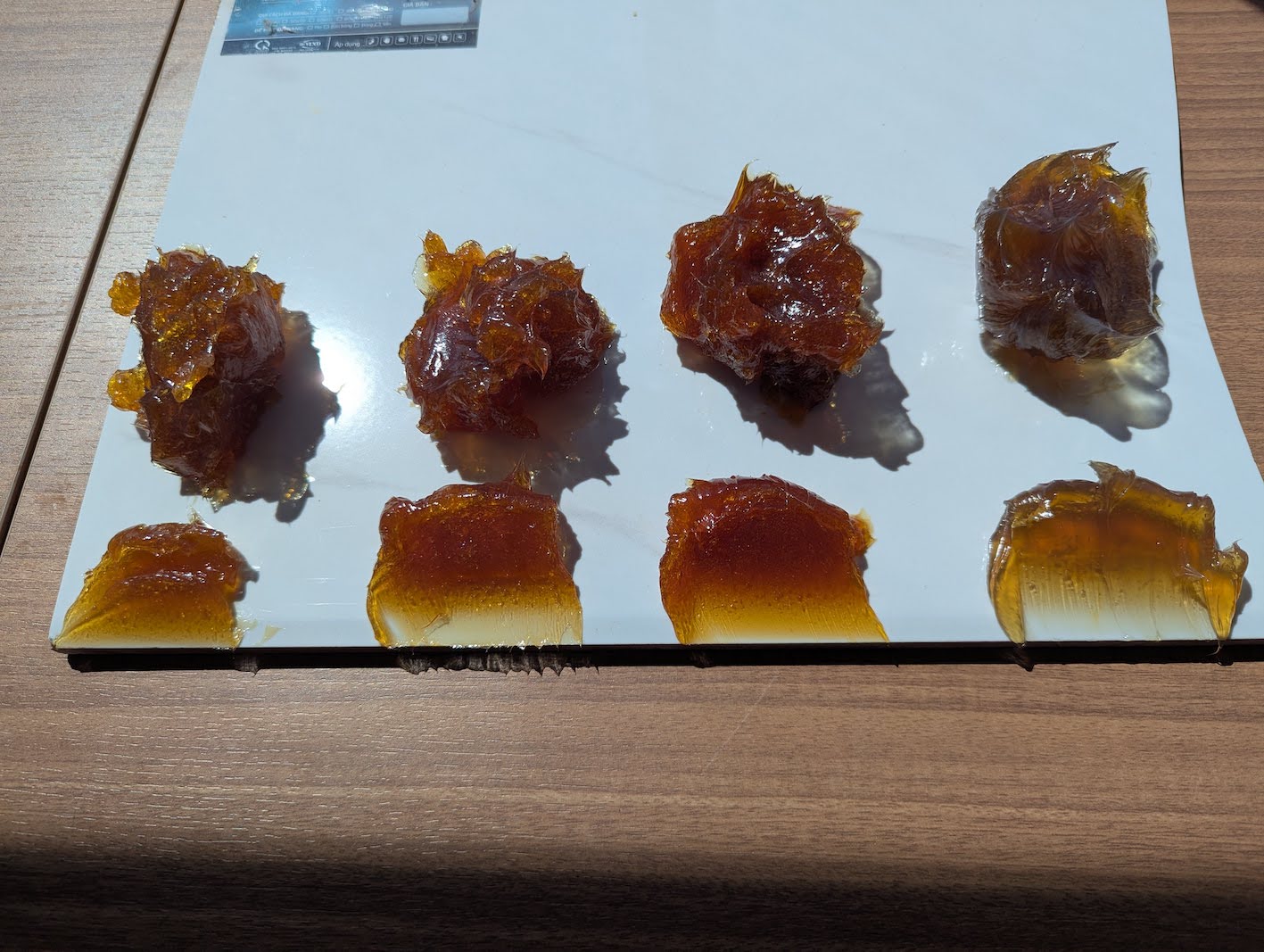
What are lithium and lithium complex greases?
Lubricating grease normally combines base oil, thickener and additives. The base oil forms the lubricating film, while the thickener creates a semi-solid network that retains and releases oil at the lubrication point.
Conventional lithium grease commonly uses lithium 12-hydroxystearate soap. Lithium complex grease adds a complexing component, such as a salt of a shorter-chain difunctional carboxylic acid, boric acid or an aromatic acid. According to the NLGI, this complexing agent modifies thickener properties and usually increases dropping point.
1. Dropping point and temperature capability
Simple lithium greases commonly have dropping points around 175–200°C, while many lithium complex formulations exceed 240°C. These are reference ranges, not universal specifications. Each product should be confirmed through its technical data sheet or ASTM D2265/ISO 2176 testing.
Dropping point is not maximum operating temperature. Service temperature also depends on base-oil type and viscosity, oxidation stability, additives, speed, load, relubrication interval and heat dissipation. SKF technical data likewise shows that greases in the same thickener family can have different operating ranges.
2. Mechanical stability
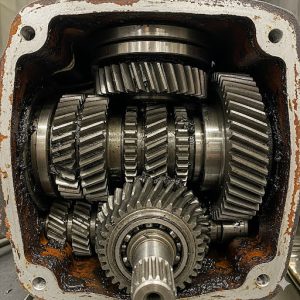
Both lithium and lithium complex greases can provide good mechanical stability when properly formulated and manufactured. For equipment exposed to shear, vibration and continuous motion, evaluate worked penetration, roll stability, oil separation and structural retention rather than relying on thickener name alone.
3. Load carrying and EP additives
The thickener does not automatically determine extreme-pressure capability. Either system may contain anti-wear (AW), extreme-pressure (EP), antioxidant and rust-inhibiting additives. Heavy or shock-loaded applications should be evaluated using data such as ASTM D2596, ASTM D2266 and tests relevant to the equipment.
4. Quick comparison
| Criterion | Lithium | Lithium complex |
|---|---|---|
| Structure | Simple lithium soap | Lithium soap plus complexing agent |
| Typical dropping point | About 175–200°C | Often above 240°C |
| Typical fit | General-purpose, moderate conditions | More demanding thermal or duty cycles |
| EP/AW performance | Depends on additive system | Depends on additive system |
| Selection basis | Product data, equipment requirements and real operating conditions | |
5. Typical applications
Lithium grease
- General industrial bearings and mechanical equipment.
- Agricultural machinery and selected automotive applications.
- Lubrication points without unusually high temperature demands.
Lithium complex grease
- Bearings operating at higher temperatures.
- Continuous-duty, vibrating or heavily loaded equipment when supported by the right additive system.
- Selected transport, steel, cement and industrial manufacturing applications.
6. Which one should you choose?
For general-purpose service, moderate conditions and cost-sensitive products, a validated lithium grease may be appropriate. For higher temperatures, continuous operation or a wider thermal margin, lithium complex is often the stronger candidate. Selection must still define NLGI grade, base-oil viscosity, load, speed, water and dust exposure, relubrication interval and OEM requirements.
Do not mix or change greases solely because both products carry “lithium” in the name. NLGI recommends compatibility testing under ASTM D6185 when mixing during a product changeover is unavoidable, because base oils and additives can also create incompatibility.
Developing lithium and lithium complex grease for private-label markets
For OEM and private-label grease development, thickener selection is only one part of the formulation. A sound project begins with the application profile, target specifications and test plan, followed by selection of base oil, thickener, additives, NLGI grade and packaging.
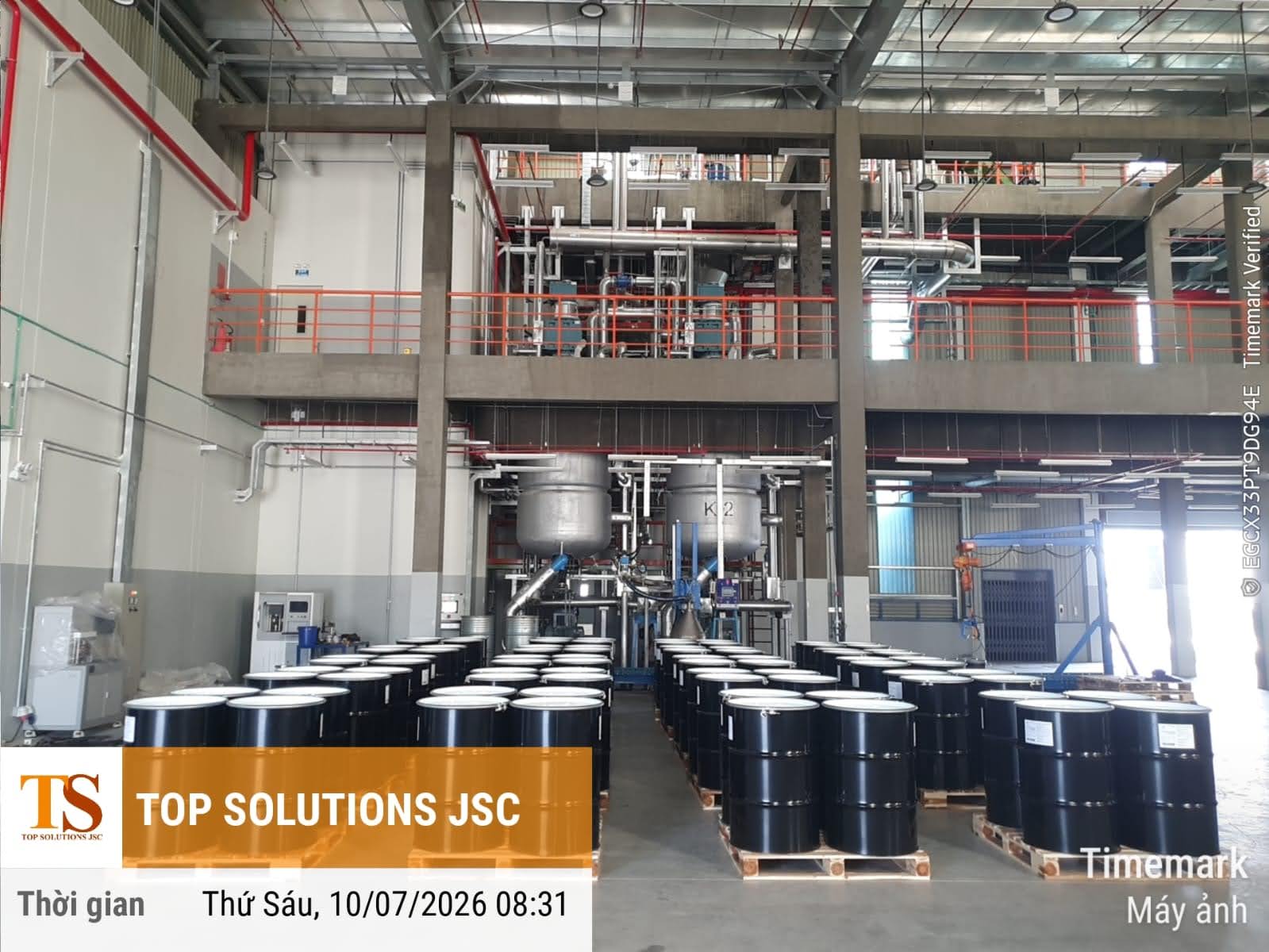
TOP SOLUTIONS can work with businesses on product direction, trial formulations, quality control, packaging and production. Contact our technical team to develop a specification around real operating conditions.
Frequently asked questions
Is lithium complex always better than lithium grease?
No. Lithium complex commonly offers higher dropping point and thermal capability, but the correct choice depends on the complete formulation, equipment and operating conditions.
Is dropping point the maximum operating temperature?
No. It is a laboratory result indicating when grease loses its structure under specified conditions, not a safe operating-temperature limit.
Can lithium and lithium complex greases be mixed?
Do not assume compatibility. Consult the suppliers and test the actual products when changing grease.
Technical references
- NLGI Technical FAQs
- NLGI: Grease Compatibility Charts Are Dangerous
- SKF grease technical specifications